

Kalisz Ptaszyn Fest – a new celebration in tribute to a jazz Master
On March 29, 2025, a new festival appeared, the Kalisz Ptaszyn Fest, on the jazz map of Poland. The one-day celebration of music organized by the Center for Culture and Art in Kalisz paid tribute to the outstanding saxophonist, composer and the popularizer of jazz music, as well as an Kalisz resident – Jan Ptaszyn Wróblewski. The date selection of the event was not by coincidence as March 27 is the birthday of the Master, who for years tried to schedule concerts in his hometown around this time.
The organizers set themselves the goals of making the Kalisz Ptaszyn Fest a celebration of jazz saxophonists, but also more broadly that includes all “brass players”, thus emphasizing the role that the Patron of the festival himself played in jazz. It was also not forgotten that Ptaszyn, as a radio personality, that always had an ear for new talent – which is why each edition of the festival will be accompanied by the performance of at least one young band, which will get a chance to present itself before the festival audience.
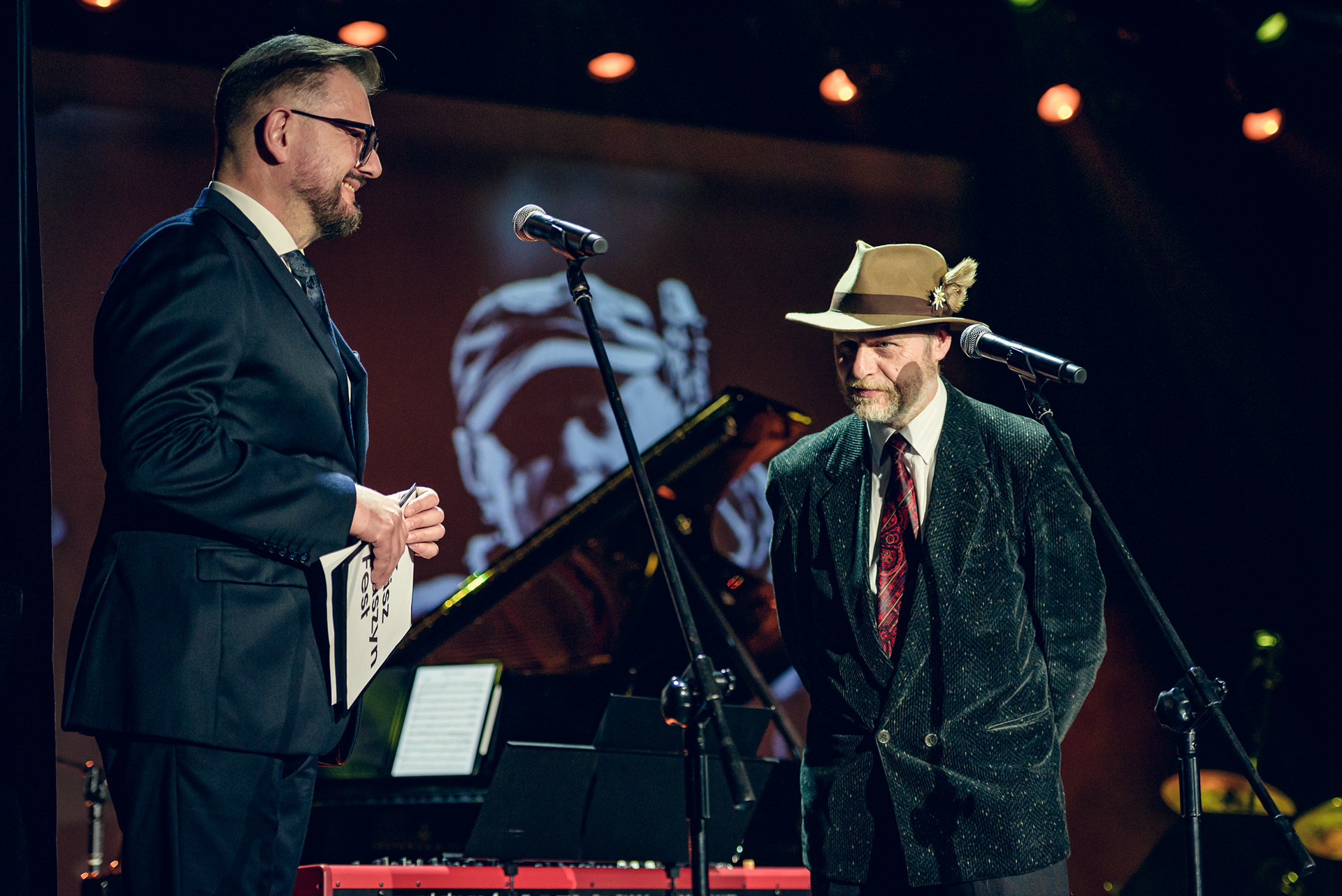
Among the audience in attendance were Ptaszyn's nearest and dearest – his wife Ewa Czuba-Wróblewska, son Jacek Wróblewski and daughter-in-law. It was Jacek Wróblewski who began the evening with words that resonated particularly strongly. “Everything began and ended in Kalisz. It began exactly in 1953 on New Year's Eve, and ended last April 13 in this hall” – He recalled, referring to his father's first (it seems) and last concert. After a moment, however, he added: “Although... as I look at this moment, I don't think it ended after all”. And indeed – looking at the packed hall and the young musicians on stage, it was hard to disagree with him.
REBIRTH
Leon Jakubek
Piotr Golec & Andrzej Frydko
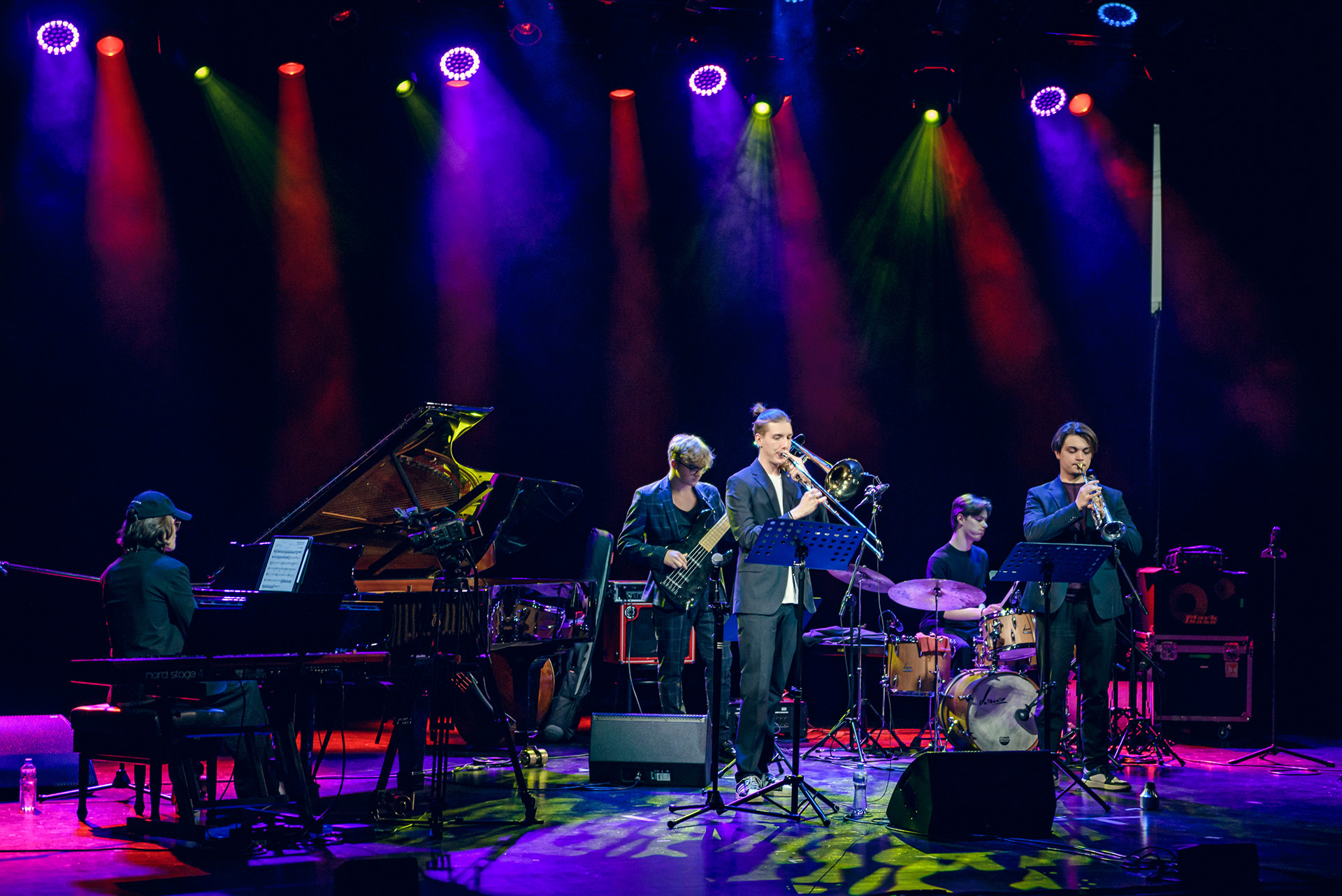
REBIRTH
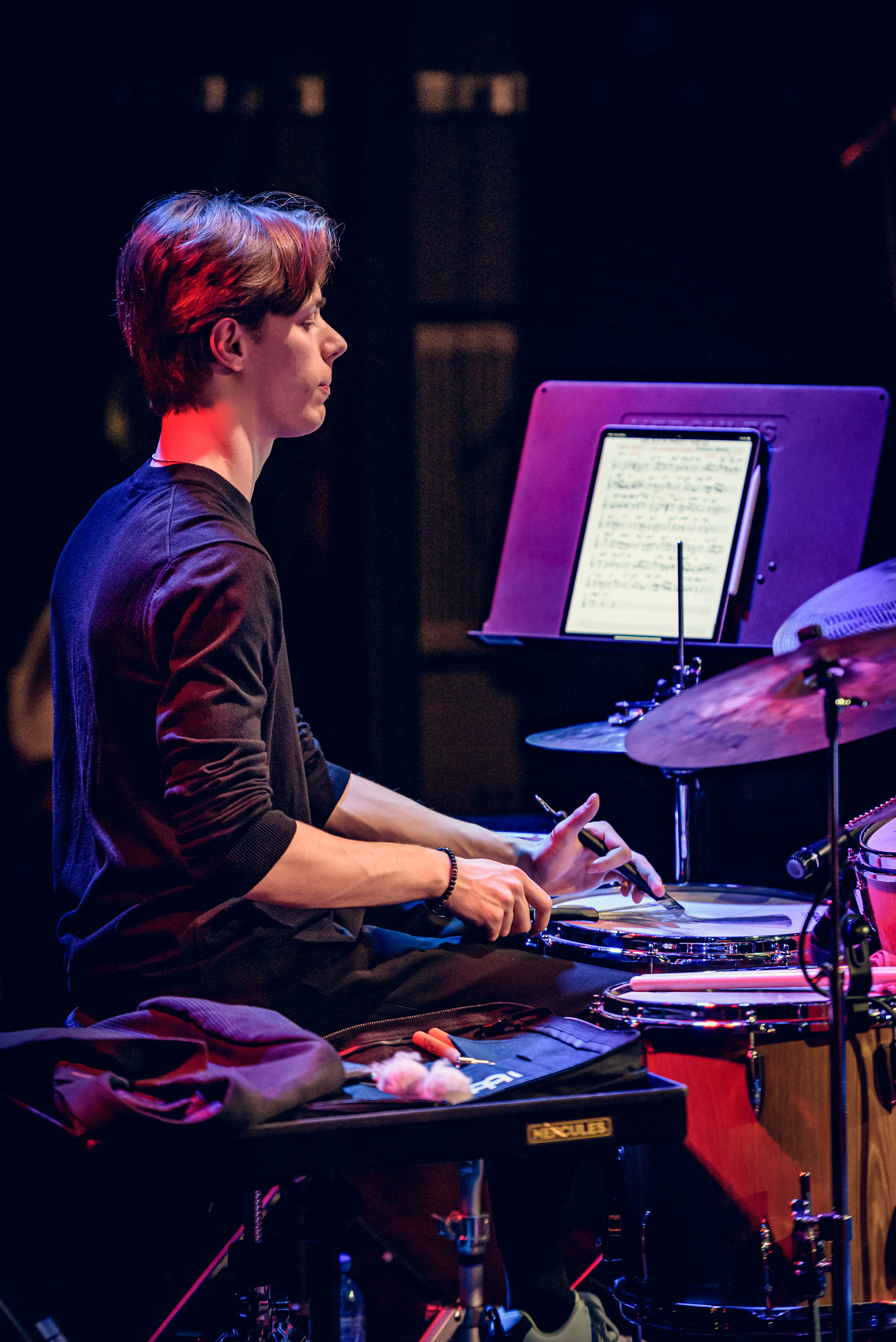
Wojciech Lubczyński
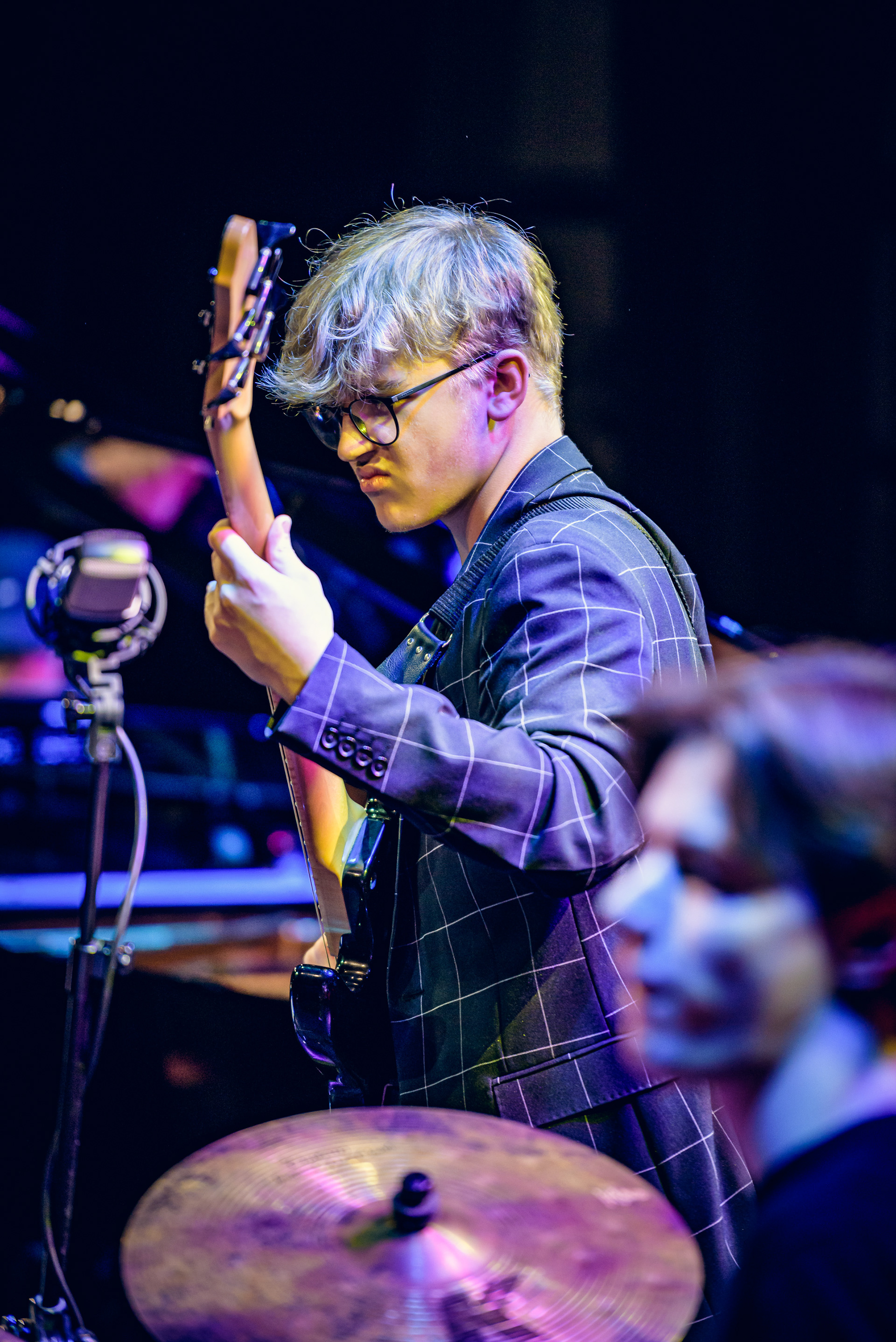
Piotr Golec
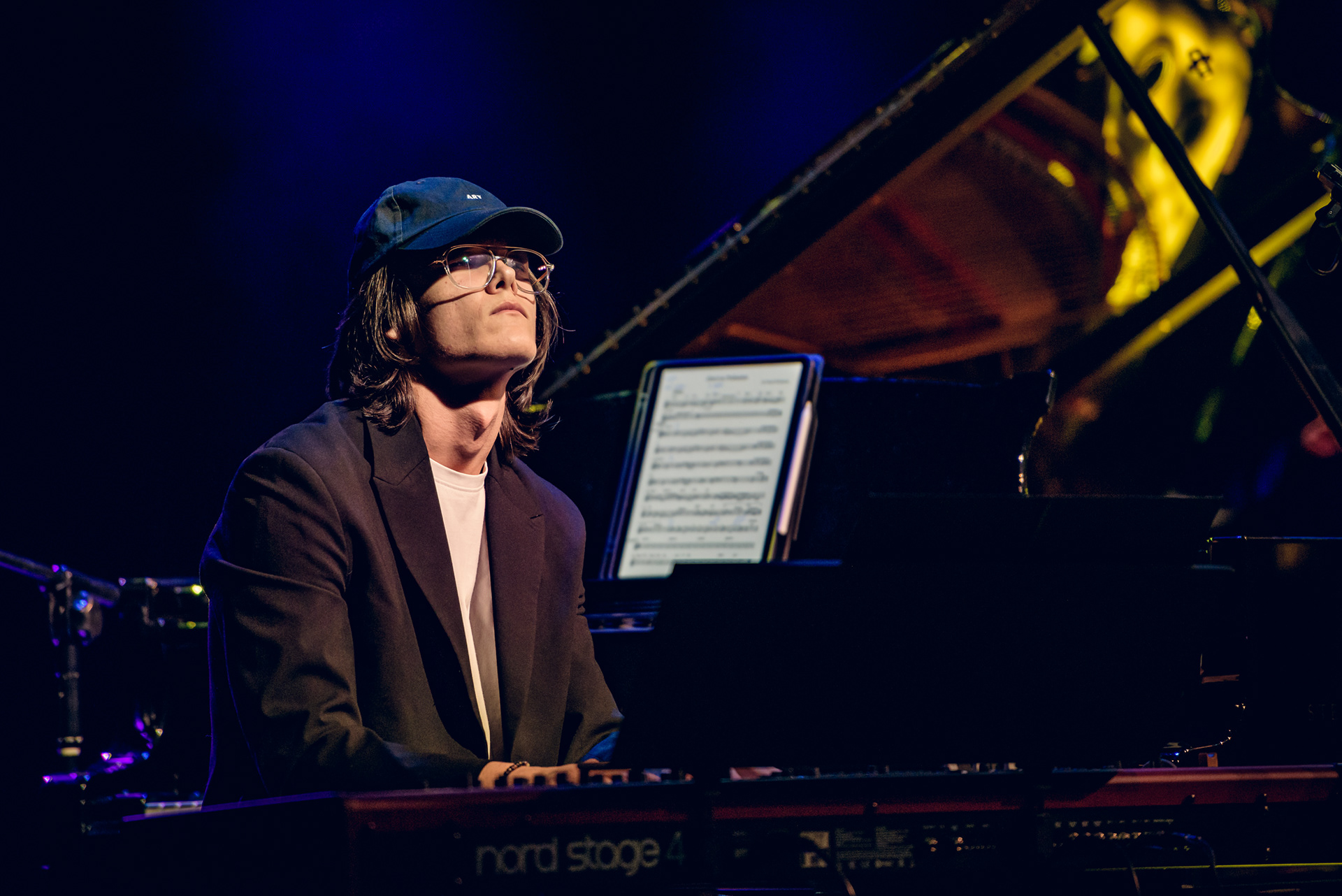
Leon Jakubek
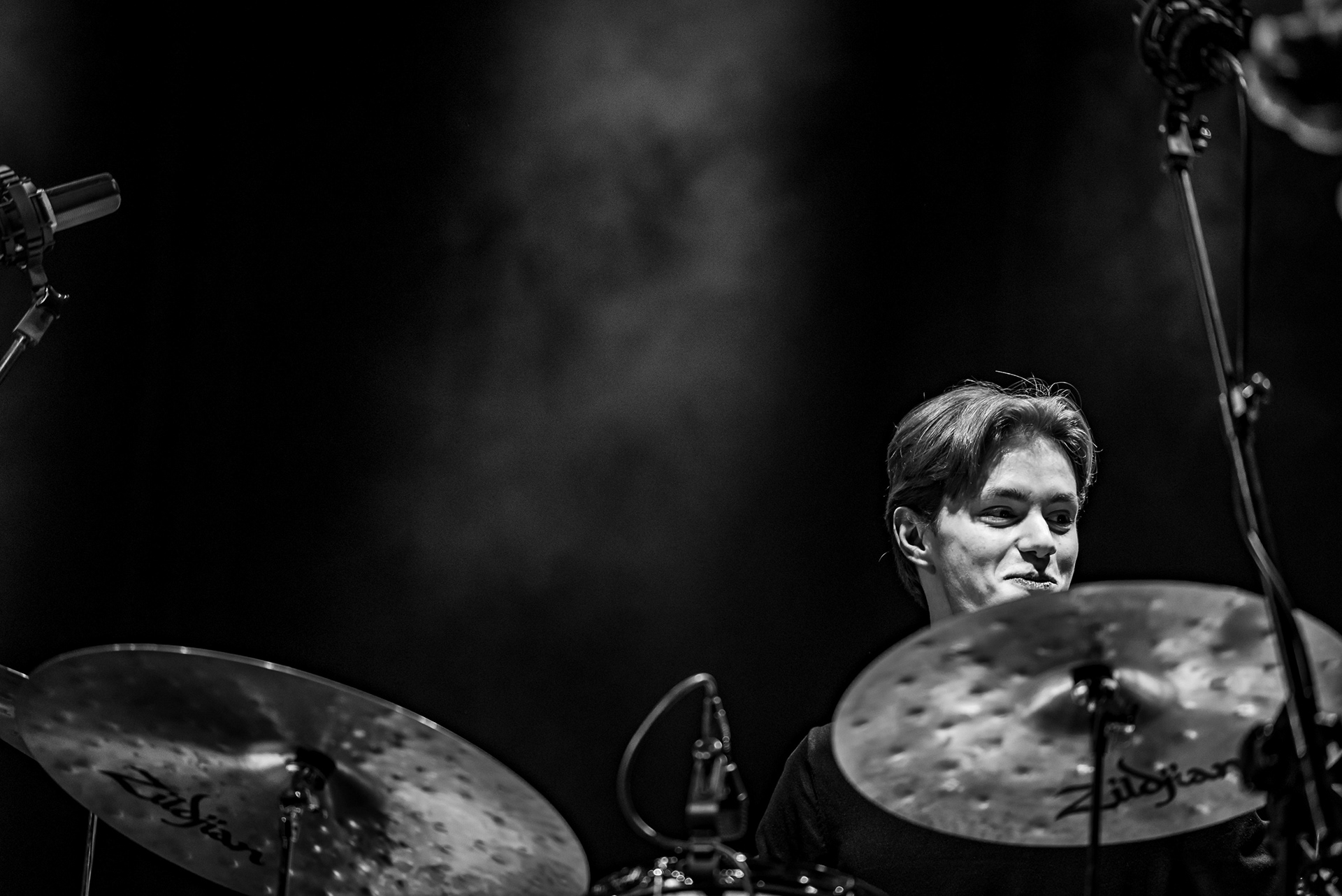
Wojciech Lubczyński
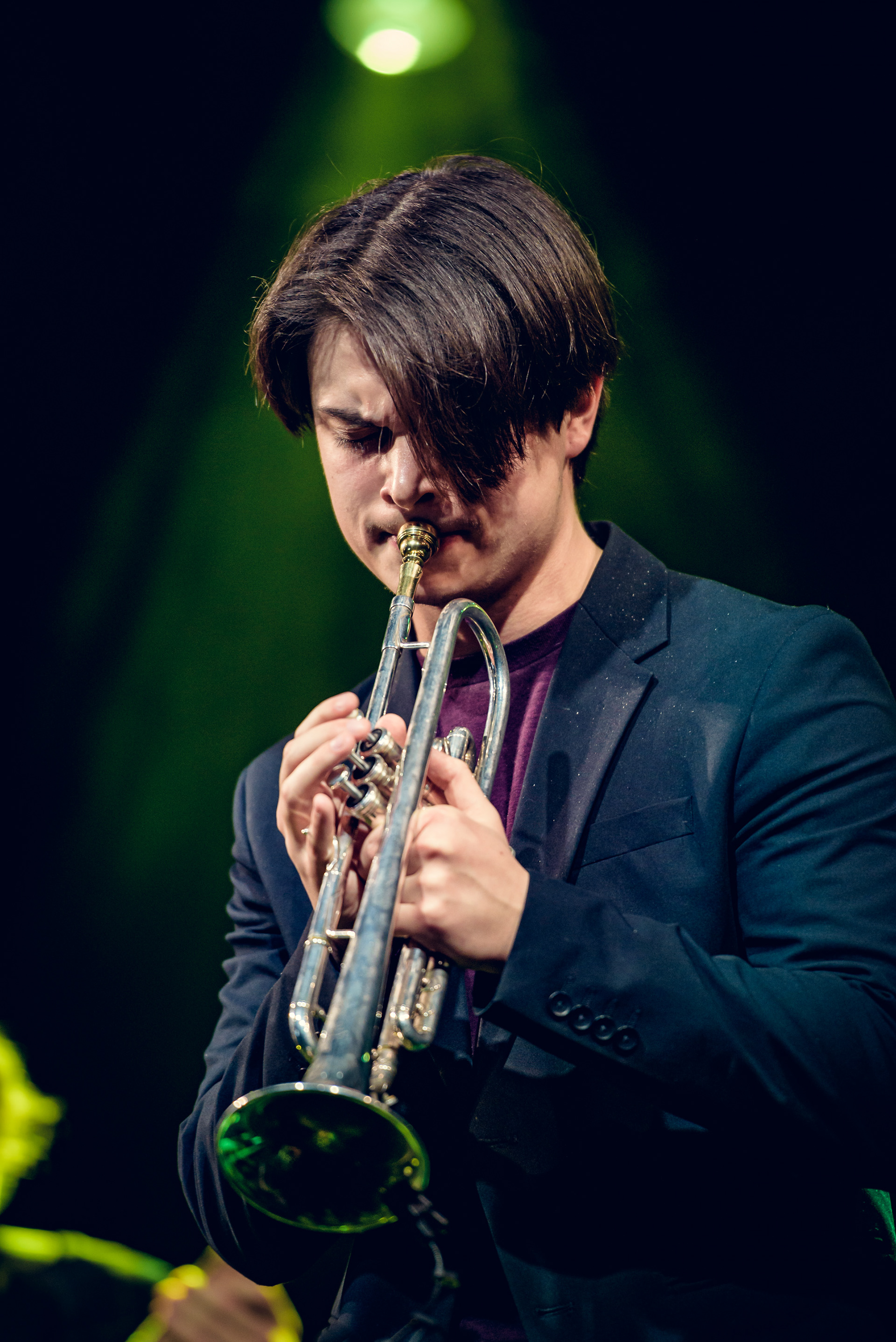
Andrzej Frydko
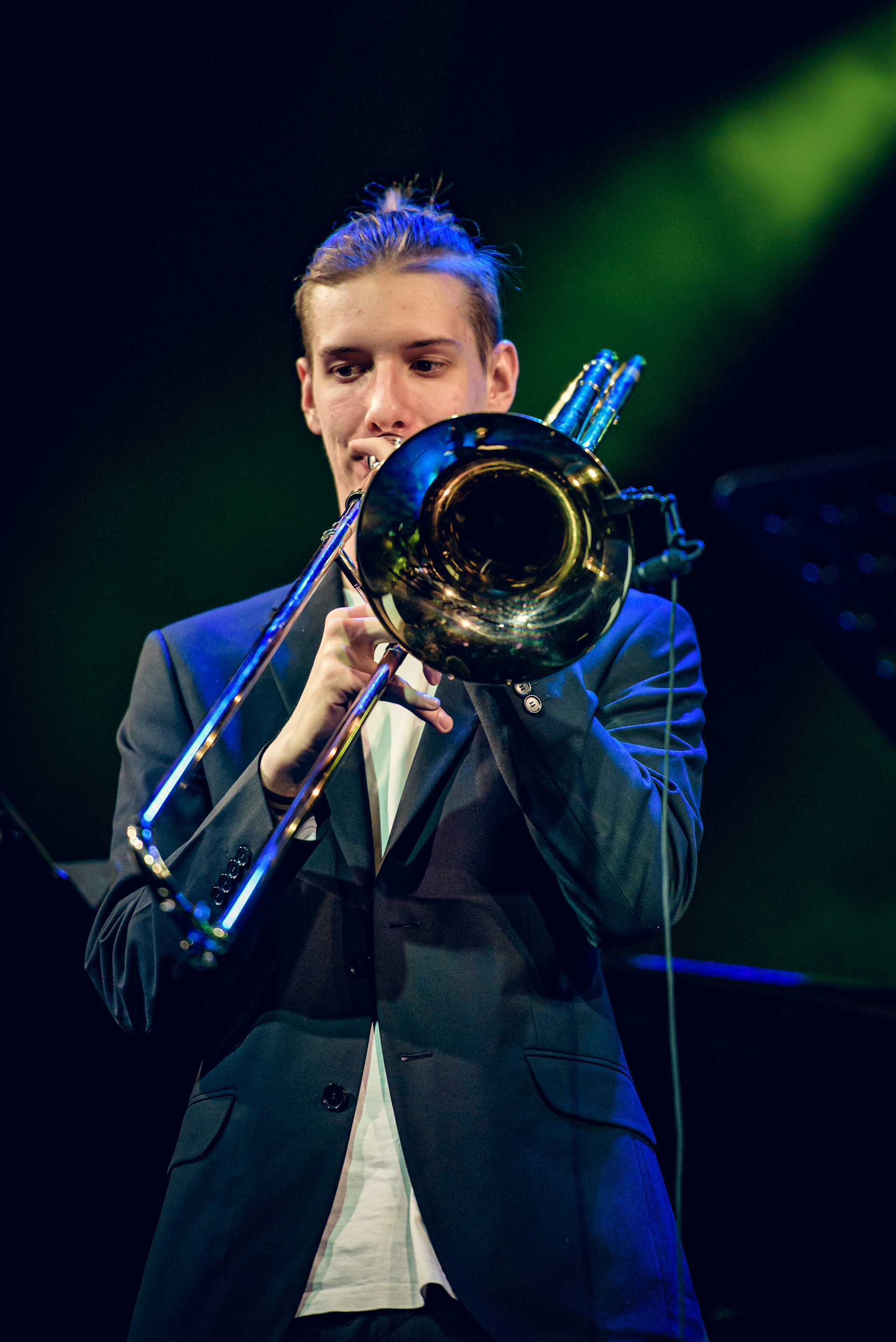
Tymon Okolus
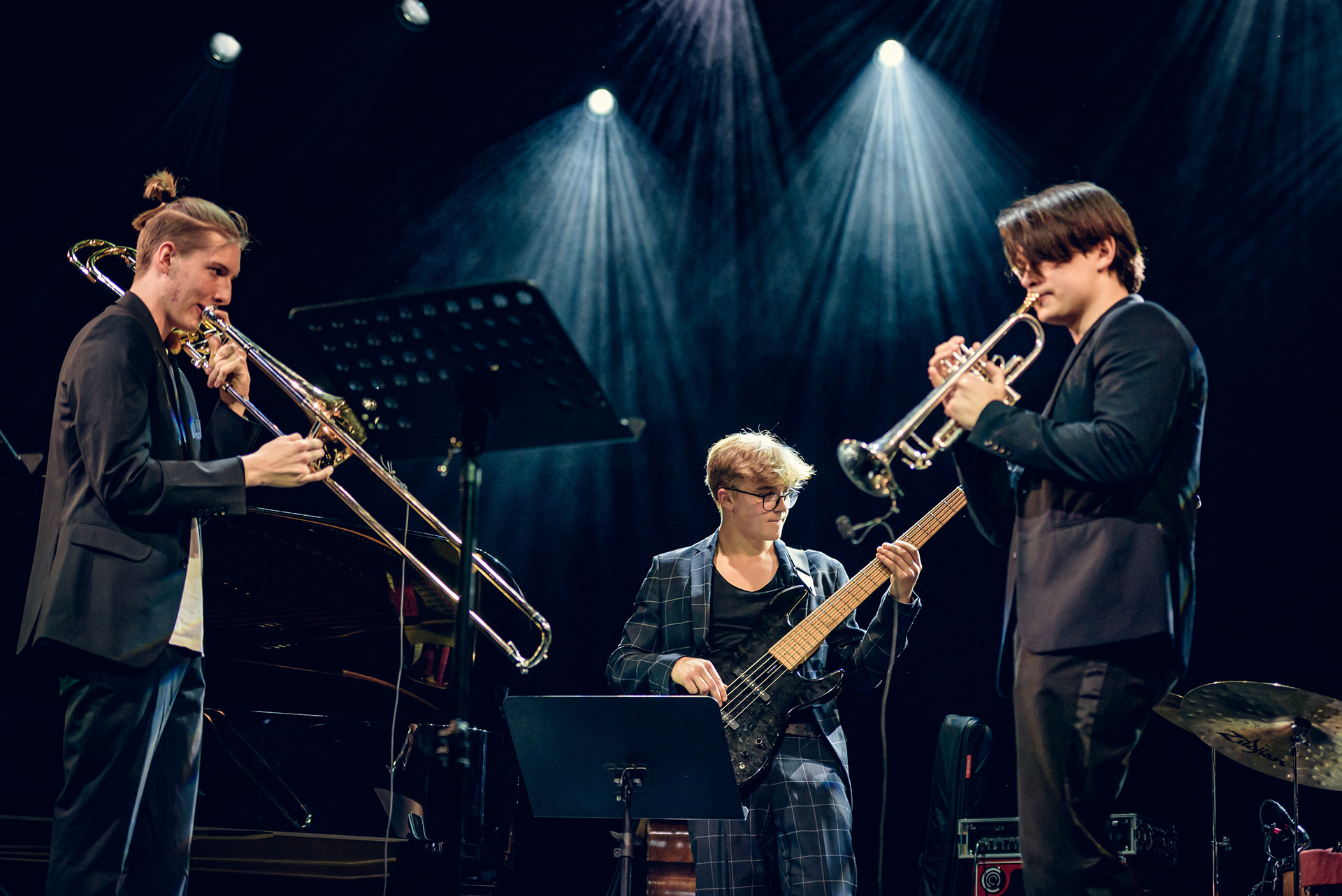
Tymon Okolus, Piotr Golec, Andrzej Frydko
REBIRTH: young energy at the start of the festival
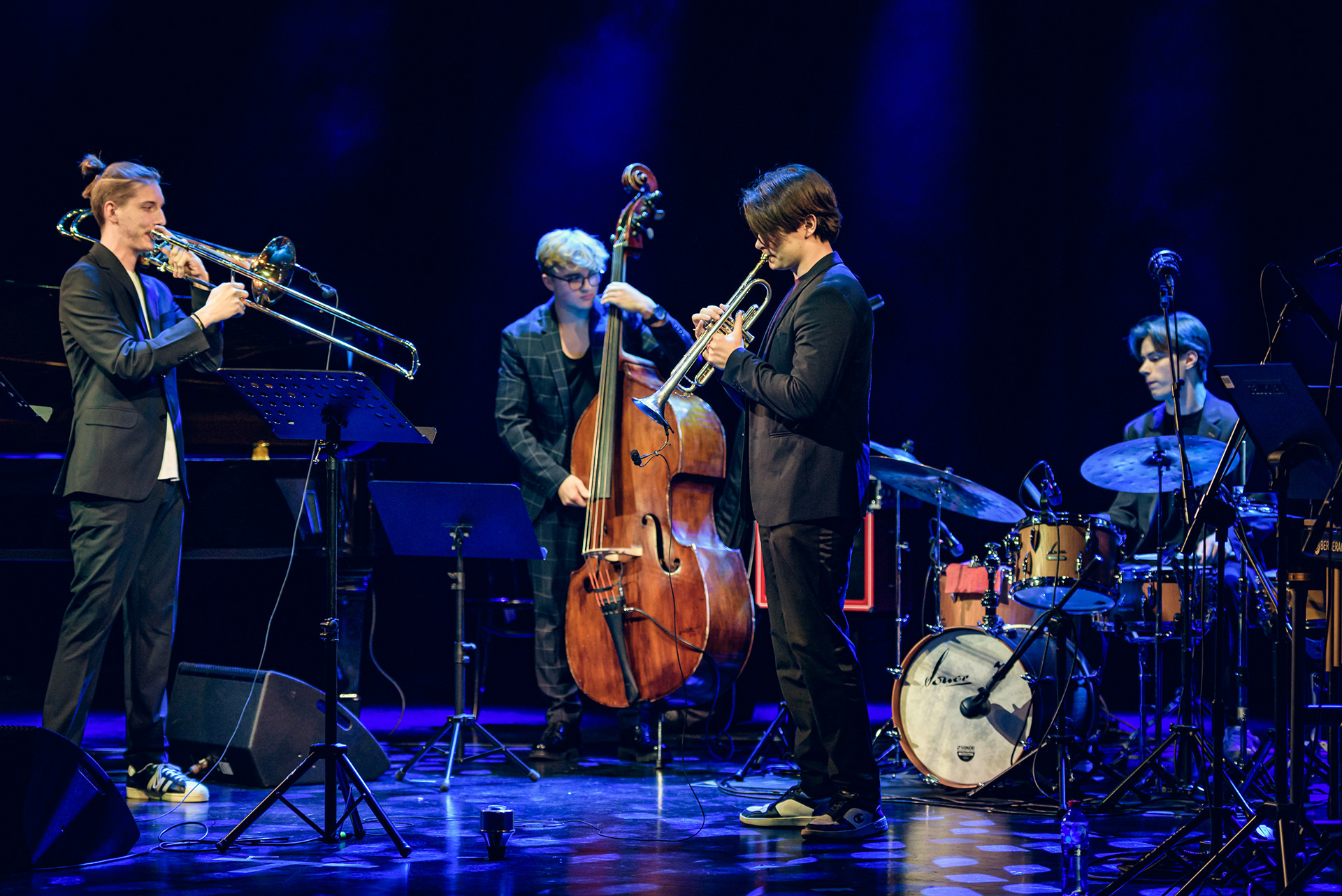
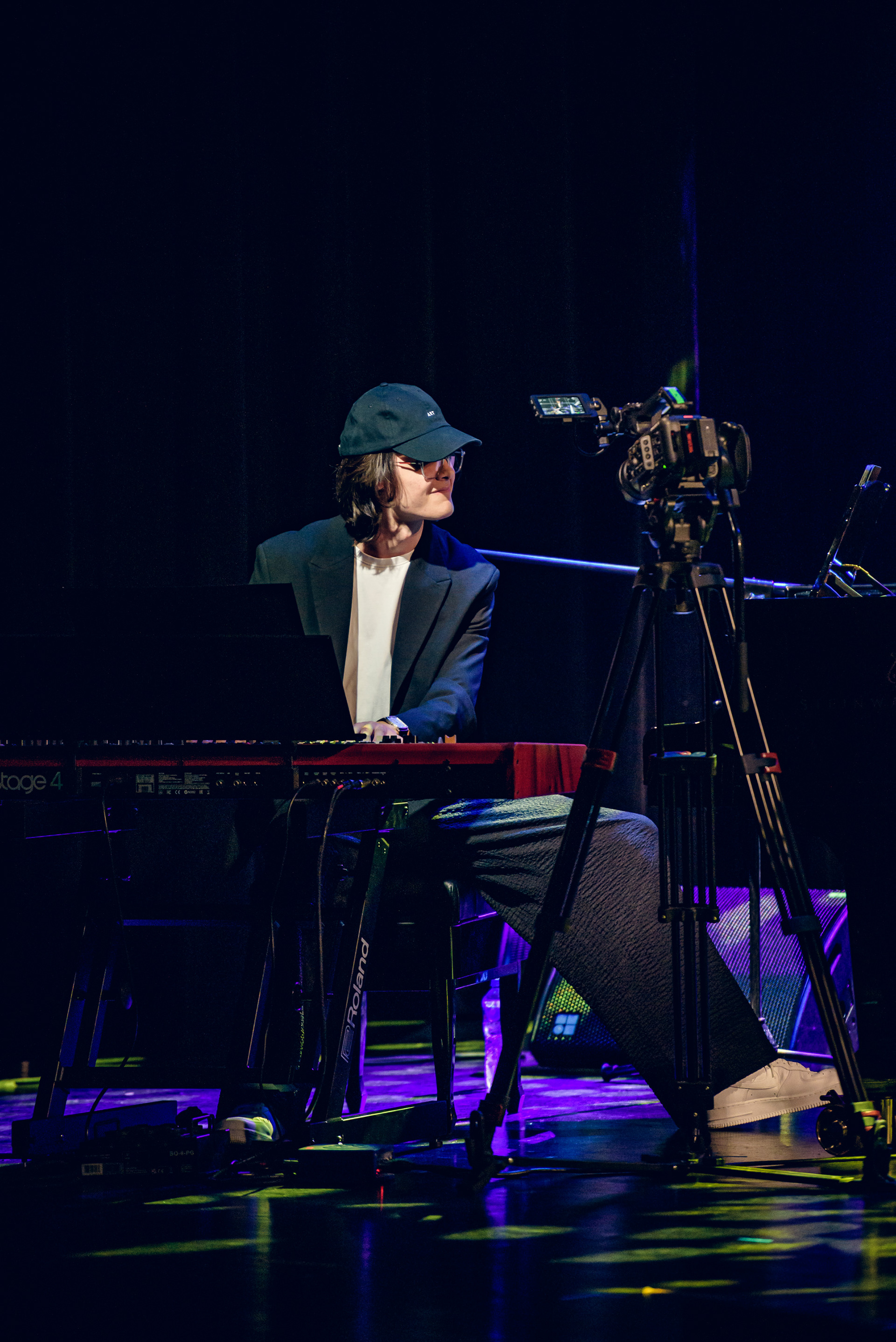
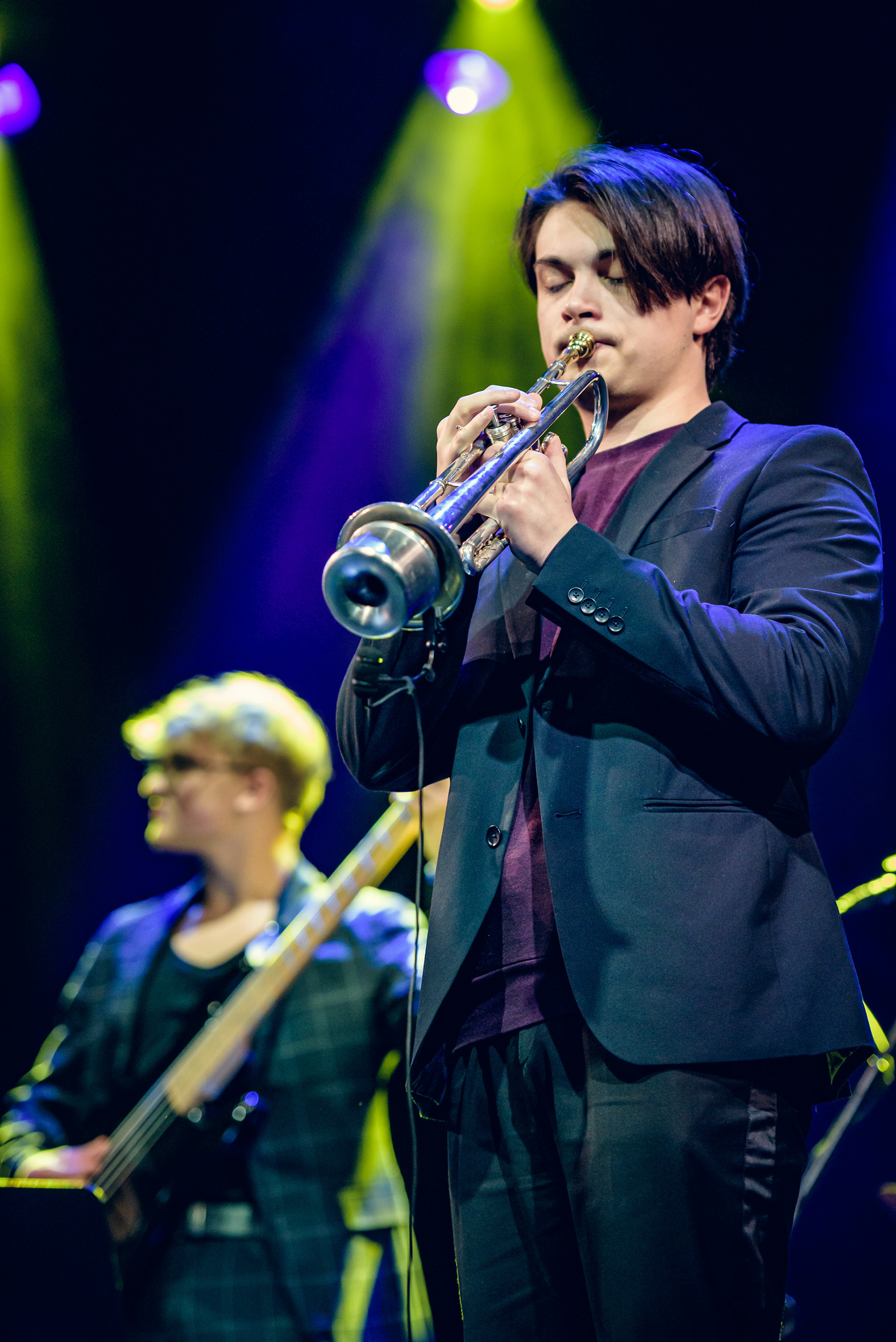
The evening opened with the band REBIRTH – young musicians who played with great enthusiasm and freshness. The group was headed by pianist Leon Jakubek, a student of the Adam Asnyk High School No.1 – the same school attended by Jan Ptaszyn Wróblewski. He was accompanied by trombonist Tymon Okolus, trumpeter Andrzej Frydko, double bass and bass guitarist Piotr Golec and drummer Wojciech Lubczyński. The youngest of the quintet, Golec, is just 16 years old, while the oldest, Frydko, is just 19.
Their set, entitled Tribute to Jan Ptaszyn Wróblewski, was brimming with energy and joy of playing. The concert's opener, “Głód na pokładzie” (Hunger on Board) resounded like a manifesto of young jazz, and “Cannonbird” thrilled the audience with its exuberance. In “Zielono mi” (I'm Green) the band showed the more lyrical side of its musical sensibility, and in “Wam jest do śmiechu, mnie nie” (You're to Laugh, I'm not) they included an emotional charge that perfectly reflected the character of the composition. “Svantetic” (a composition by Krzysztof Komeda) was performed with due attention to drama, and “Skleroptak” closed this dynamic performance in a truly energizing style.
The youngsters gave it their all – they played with passion, power and conviction, as if they wanted to prove that they are worthy successors of Ptaszyn's spirit. And looking at the enthusiastic reaction of the audience, it's safe to say that they proved it.
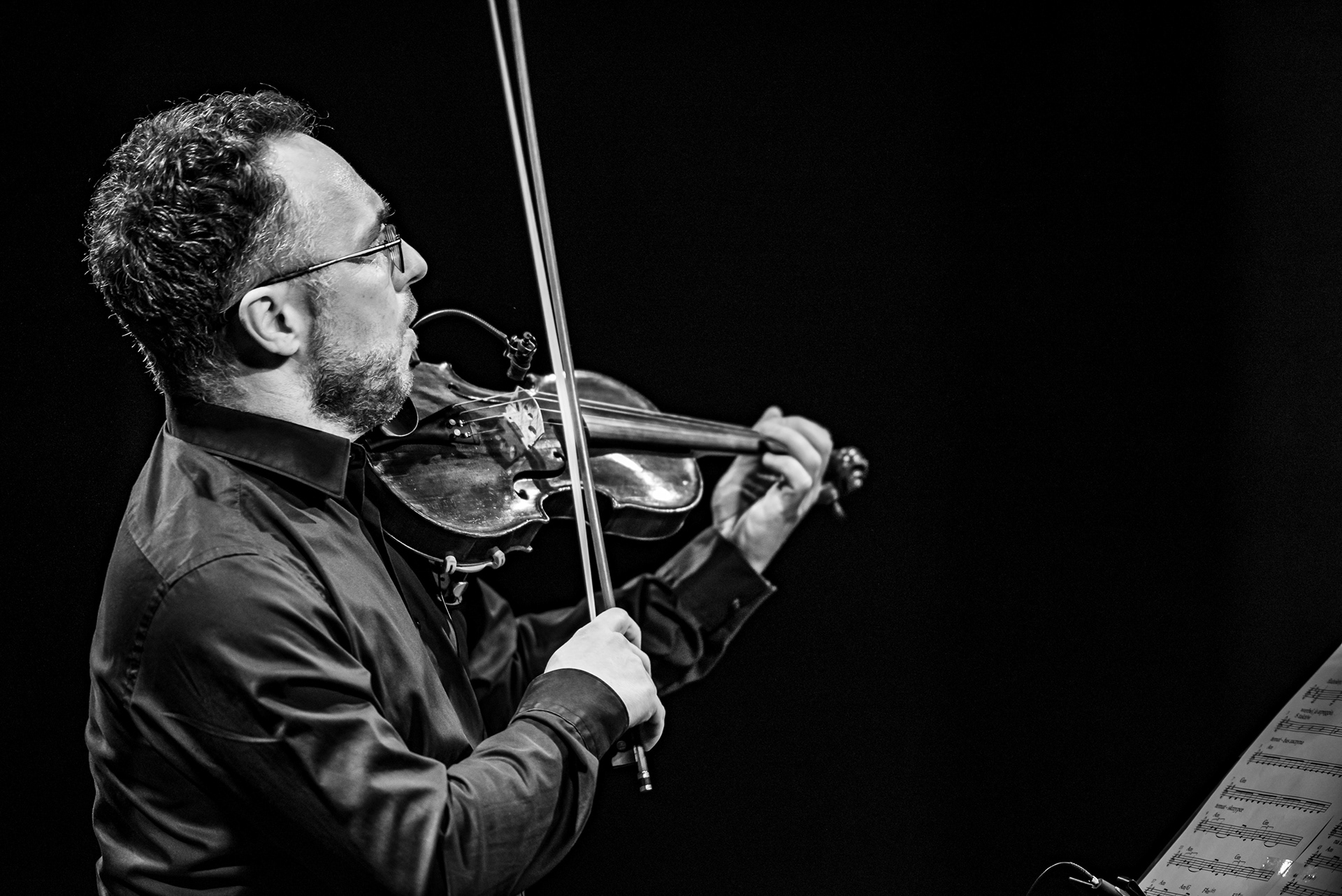
Maciej Afanasjew
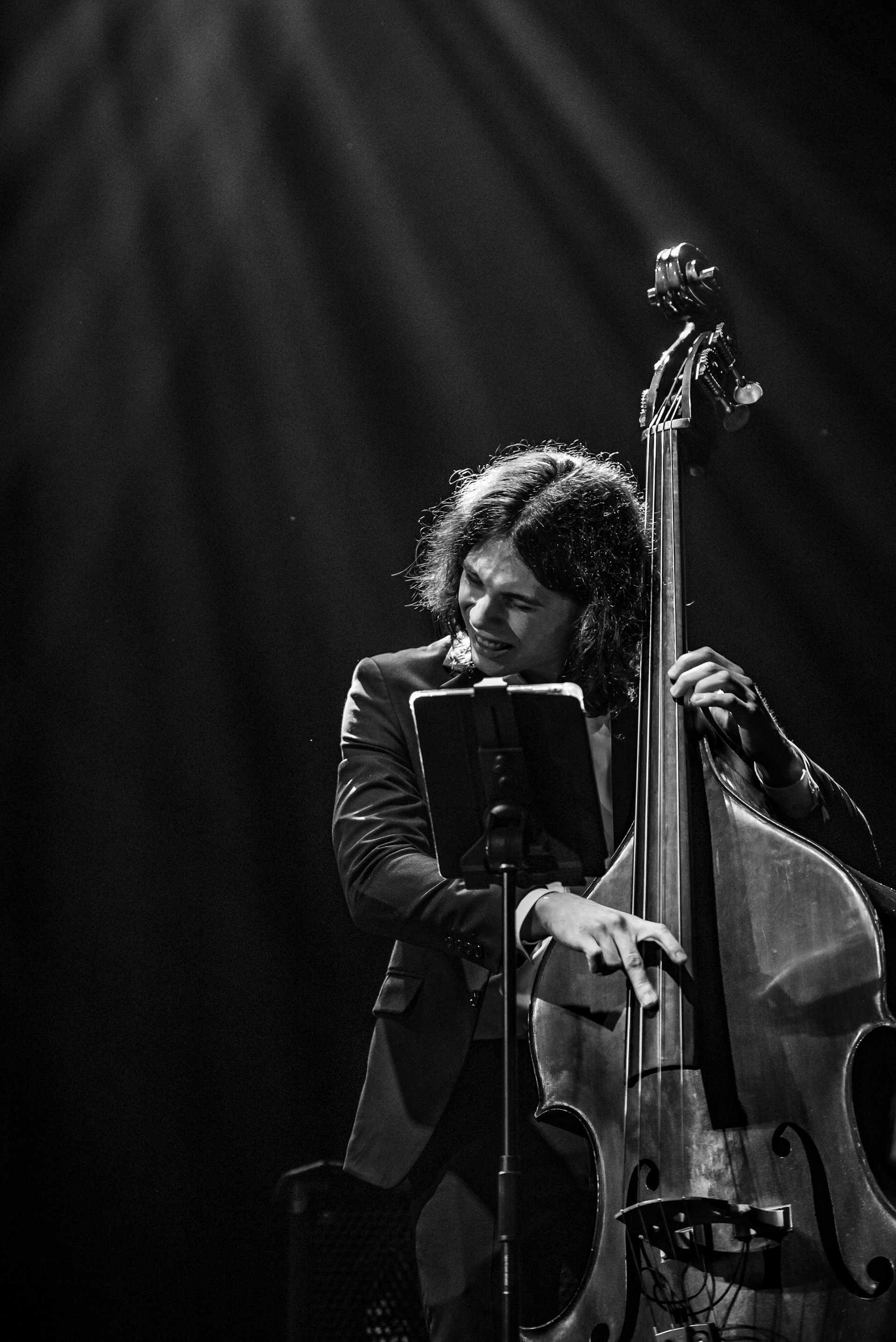
Tymoteusz Wójtewicz
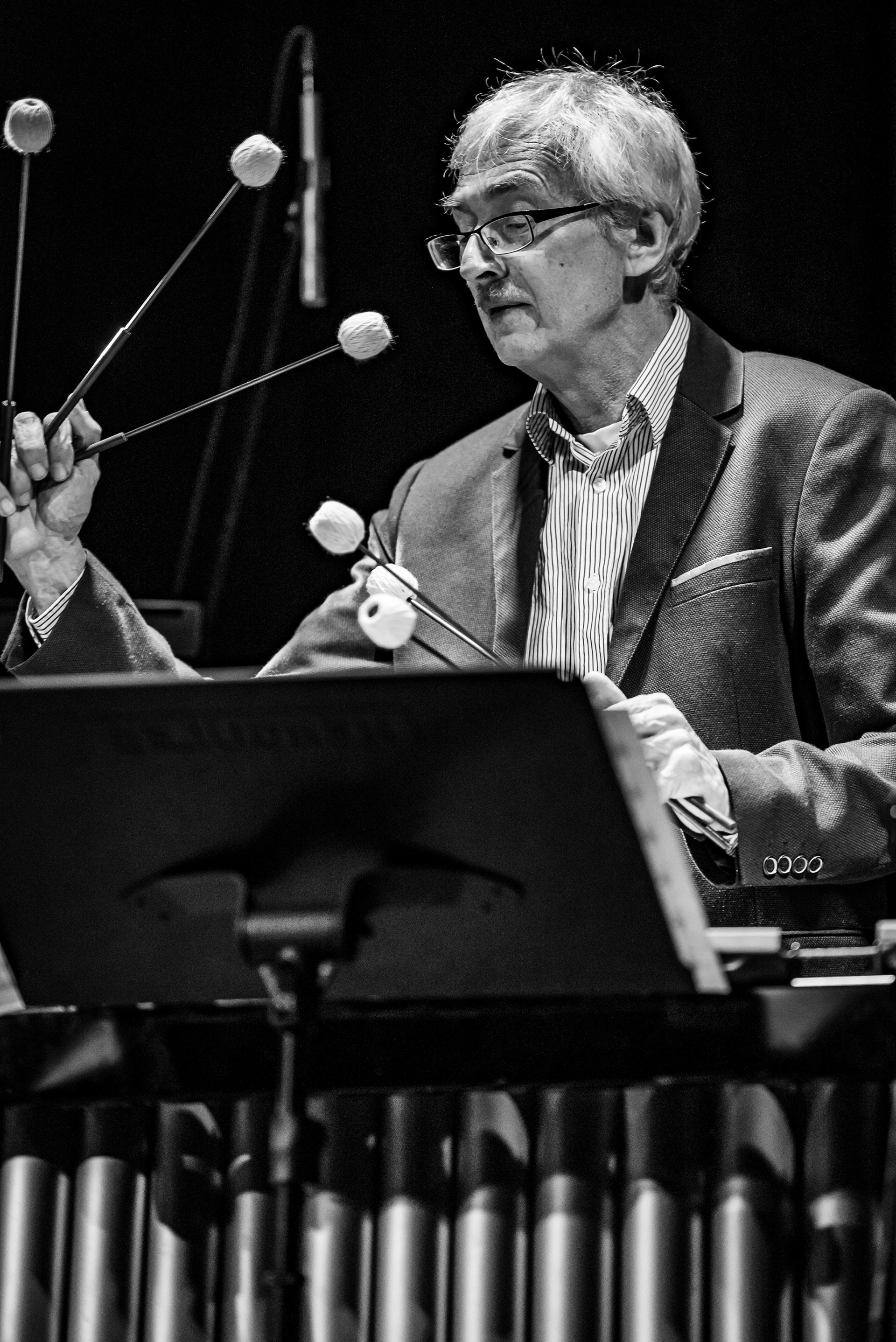
Karol Szymanowski
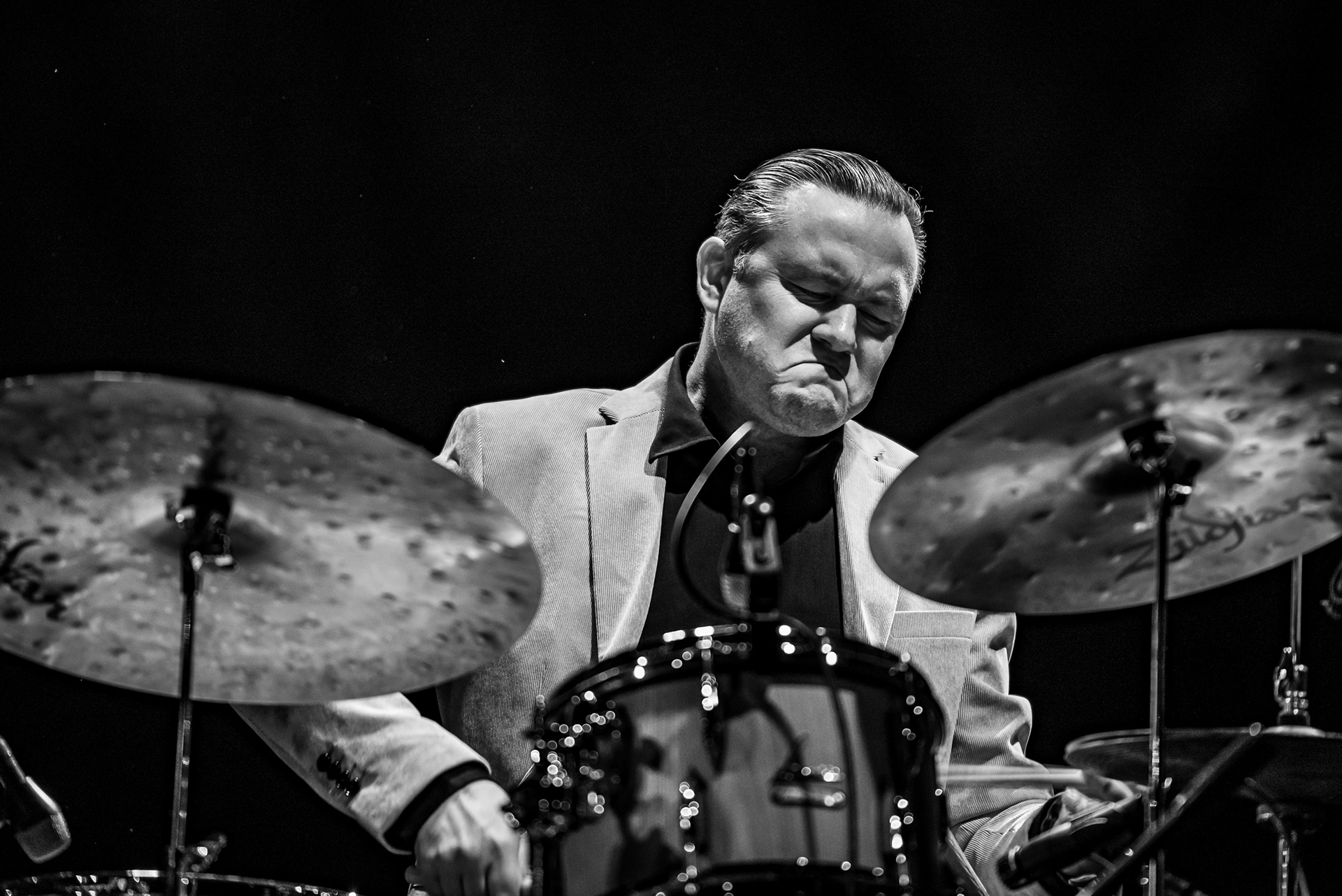
Mirosław Skowroński
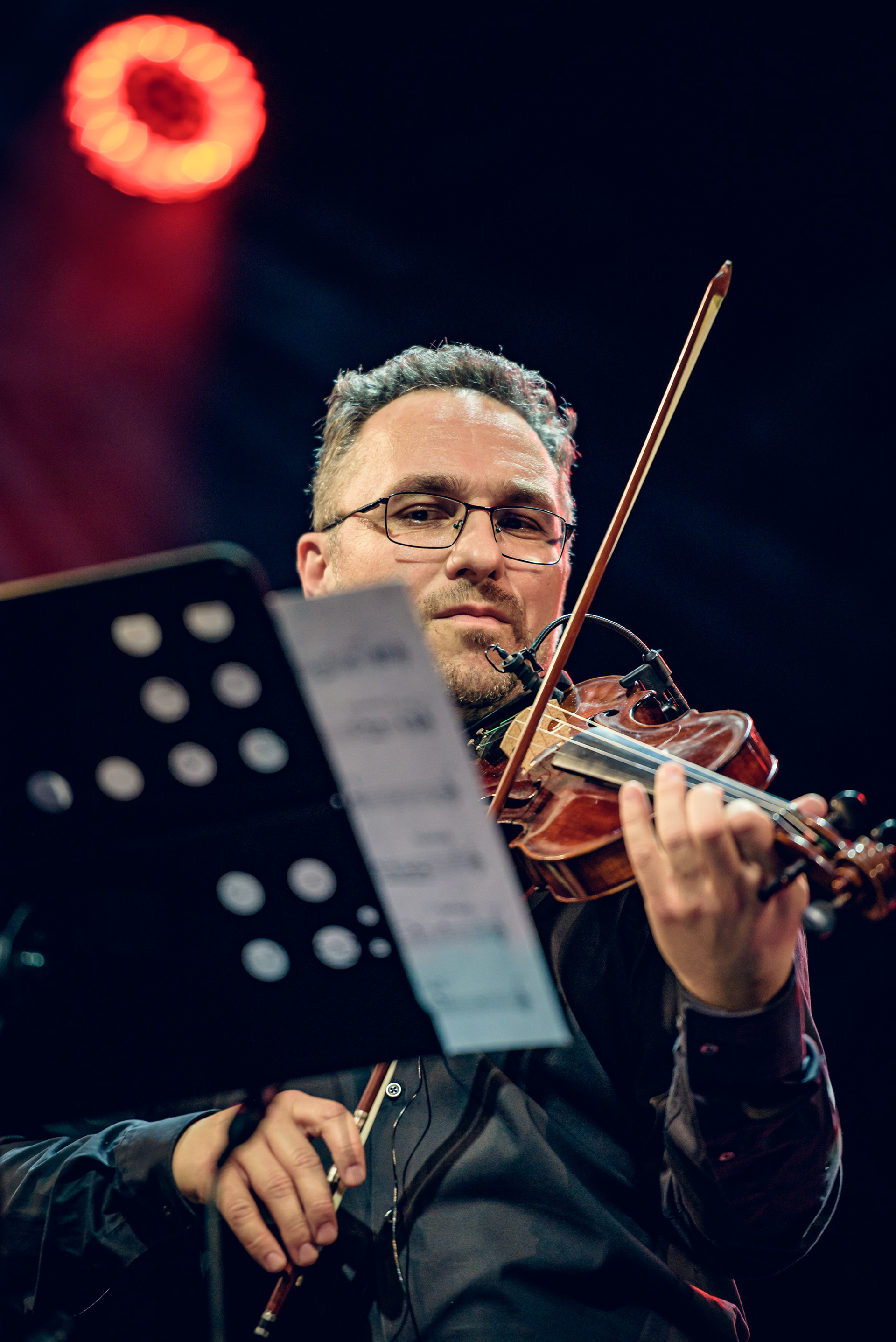
Maciej Afanasjew
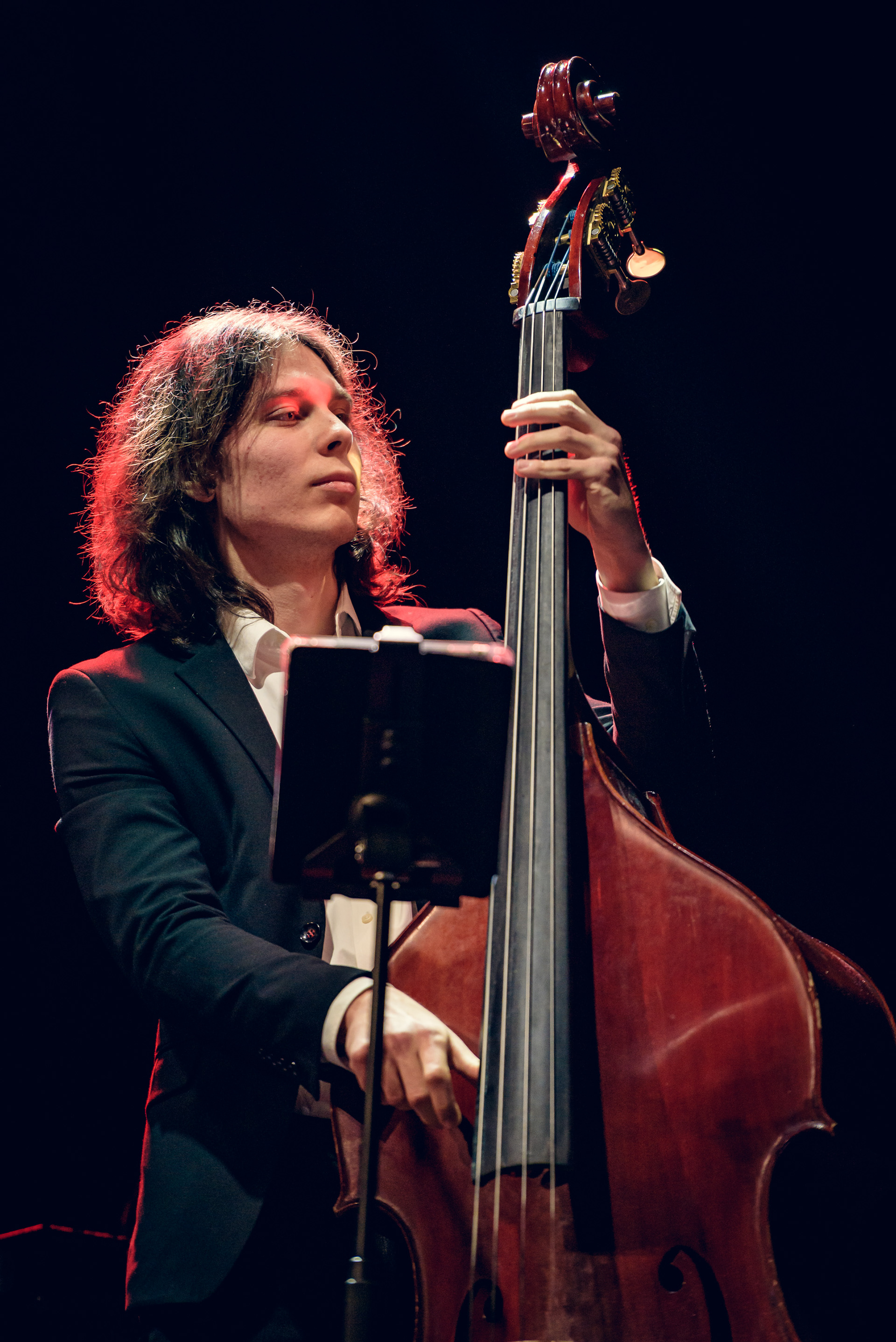
Tymoteusz Wójtewicz
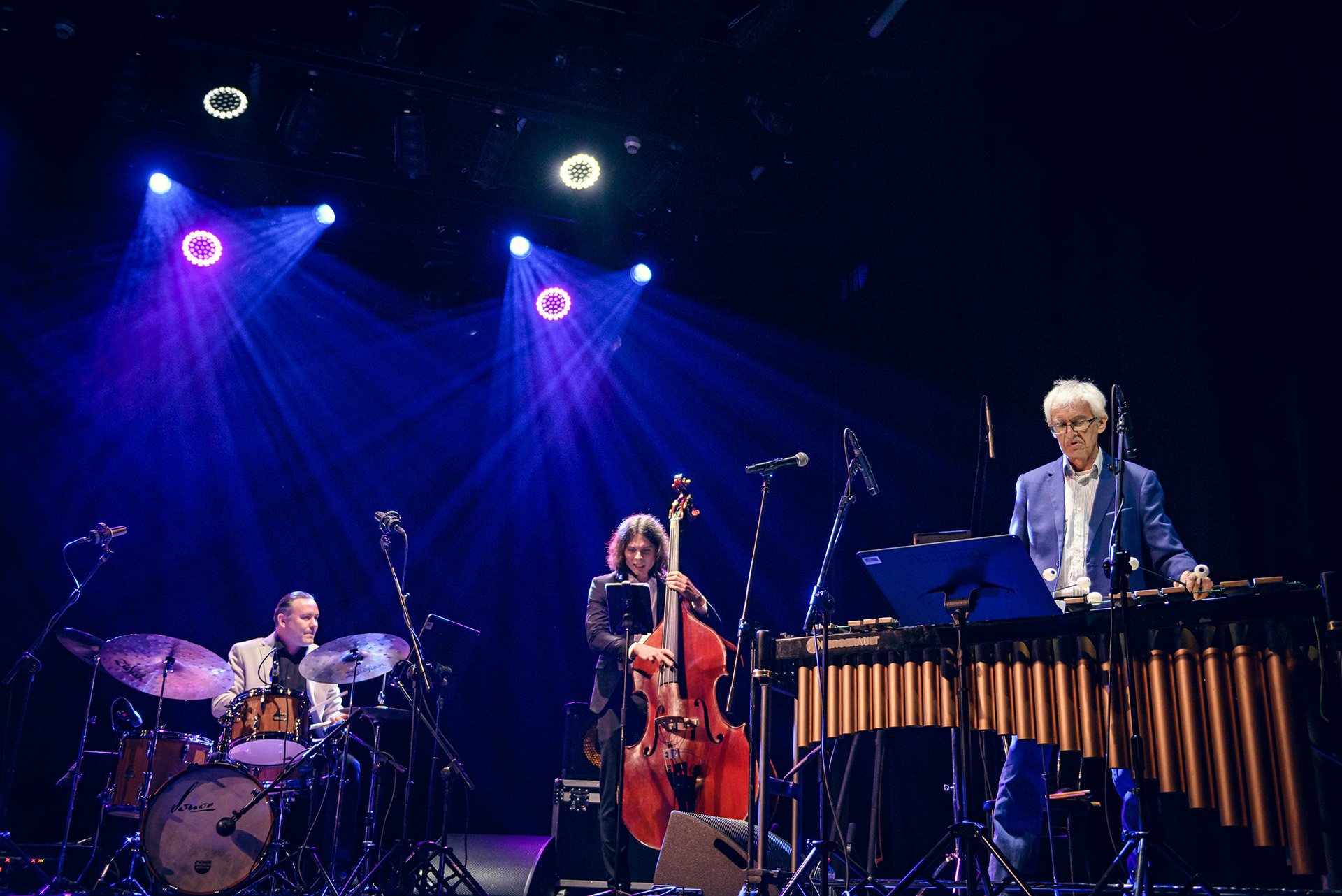
Mirosław Skowroński, Tymoteusz Wójtewicz, Karol Szymanowski
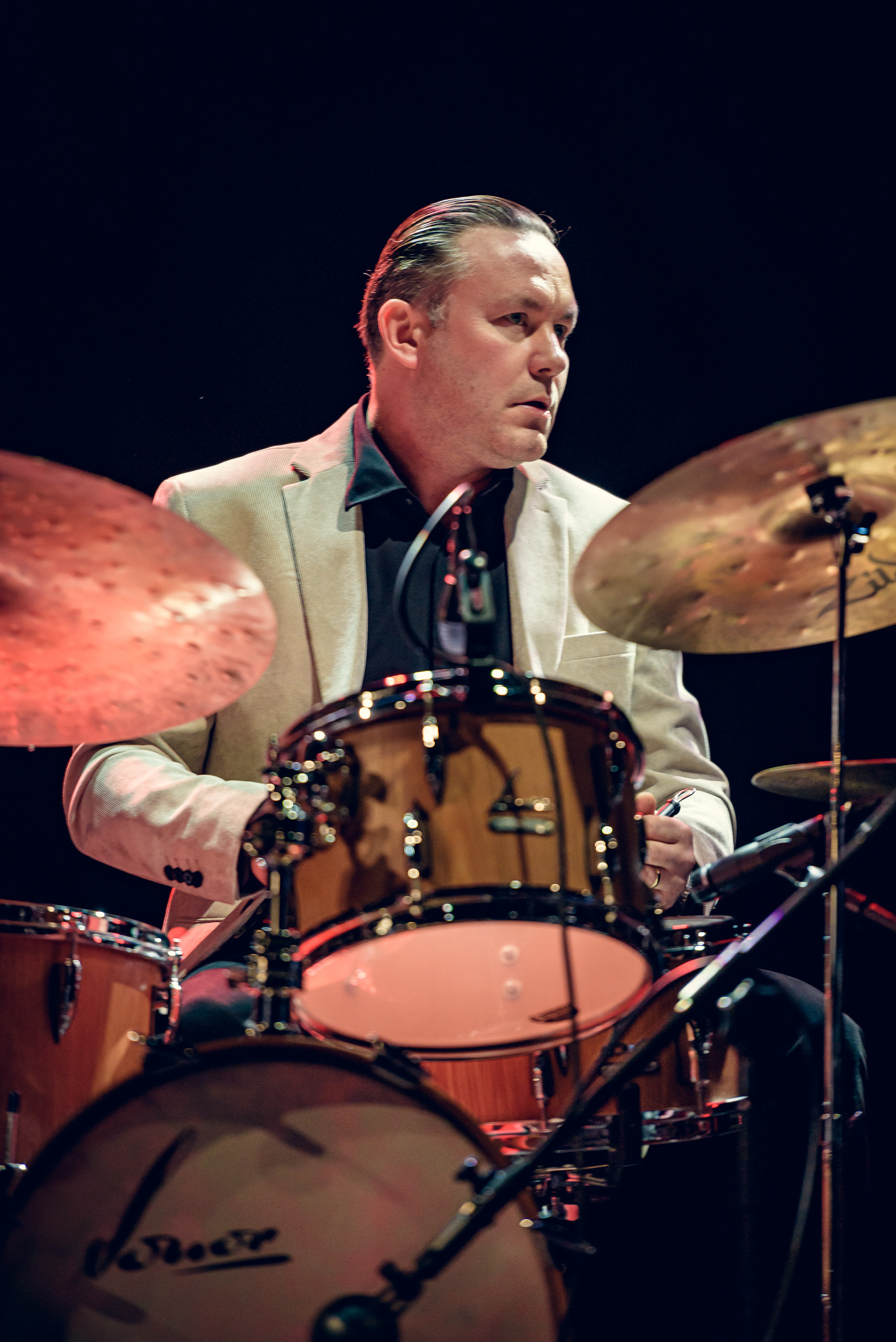
Mirosław Skowroński
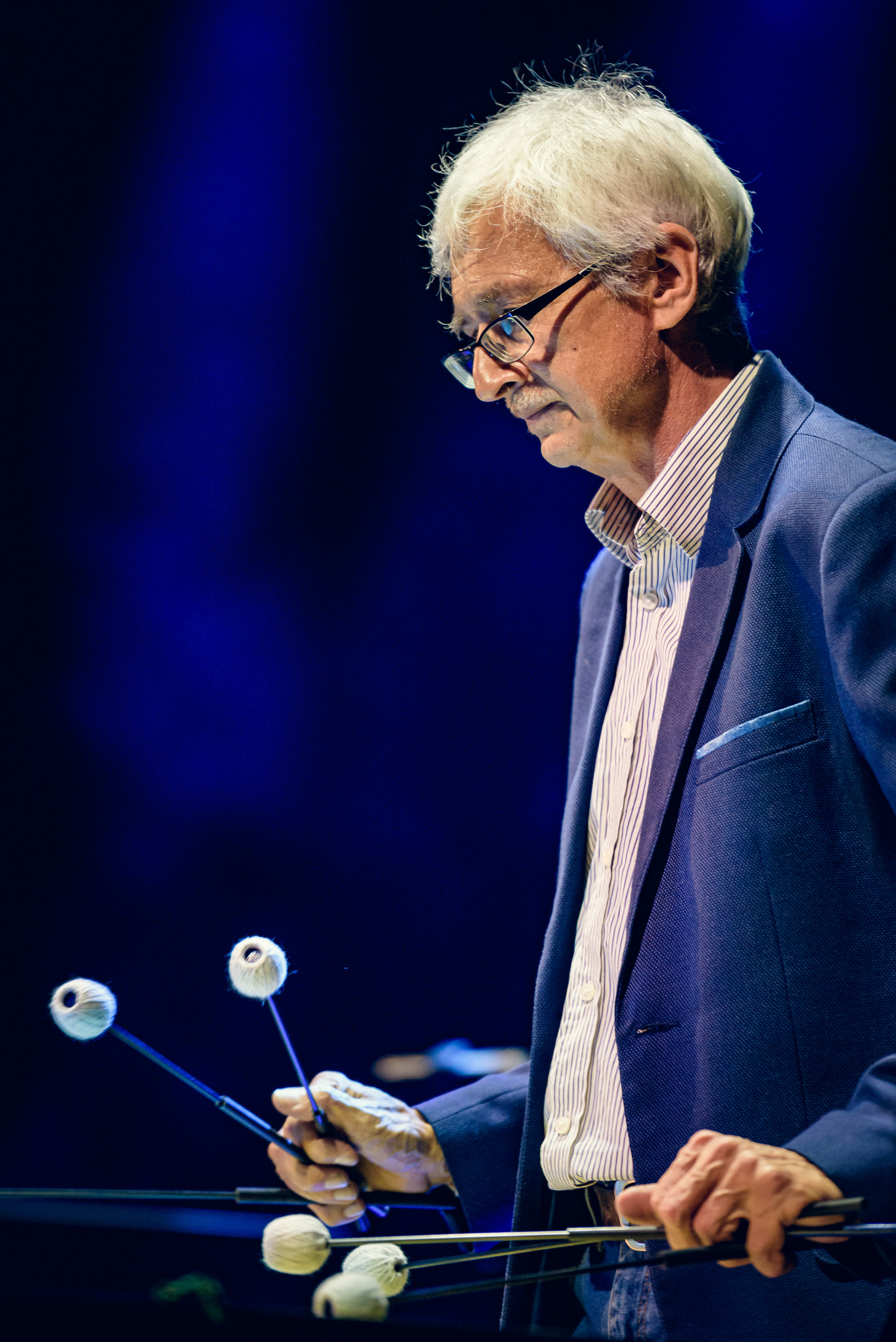
Karol Szymanowski
Szymanowski/Afanasjew/Skowroński/Wójtewicz Quartet: elegance and space
The second part of the evening belonged to the quartet of Karol Szymanowski (vibraphone), Maciej Afanasjew (violin), Mirosław Skowroński (drums) and Tymoteusz Wójtewicz (double bass). It is worth noting that Skowroński is a musician associated with Kalisz, which gave the performance a special local dimension.
Already the first sounds of “Grzmotu nad ranem” (Thunder in the Morning) gave a signal that this would be music full of space and subtlety. Afanasyev's violin spun ethereal melodic lines, which Szymanowski's vibraphone wrapped around with glassy chords, at times crisp and pearly, at other times thick as the fog over the nearby Prosna River. The quartet leader's six-bar playing technique built multidimensional harmonic structures, adding depth to the music and colorful nuances.
The rhythm section was not just a foundation here, but a full-fledged narrator. Wójtewicz's double bass pulsed freely, leaving space for breath and tension between notes, while Skowroński sensitively conducted the musical dialogue – from subtle, soft brush strokes to energetic accents that built the piece's drama. His soloing was dynamic and expressive, but not “charging” – precise, elegant, smoothly developed, showing both technical proficiency and the drummer's musical imagination.
“Pilnie potrzebna dobra wróżka” (Urgently Needed Good Fairy) performed by the quartet sounded like a melancholy impression, “Ściśle fajne” (Strictly Cool) lightheartedly put the audience into a swinging trance, and “Wśród życzliwych przyjaciół” (Among kind friends) became an almost intimate dialogue of instruments. The climax of the program was Krzysztof Komeda's “Moja ballada” (My Ballad) – a piece, in which time seemed to stop, and every sound had weight and meaning. A pure, focused narrative in which silence spoke as much as sound.
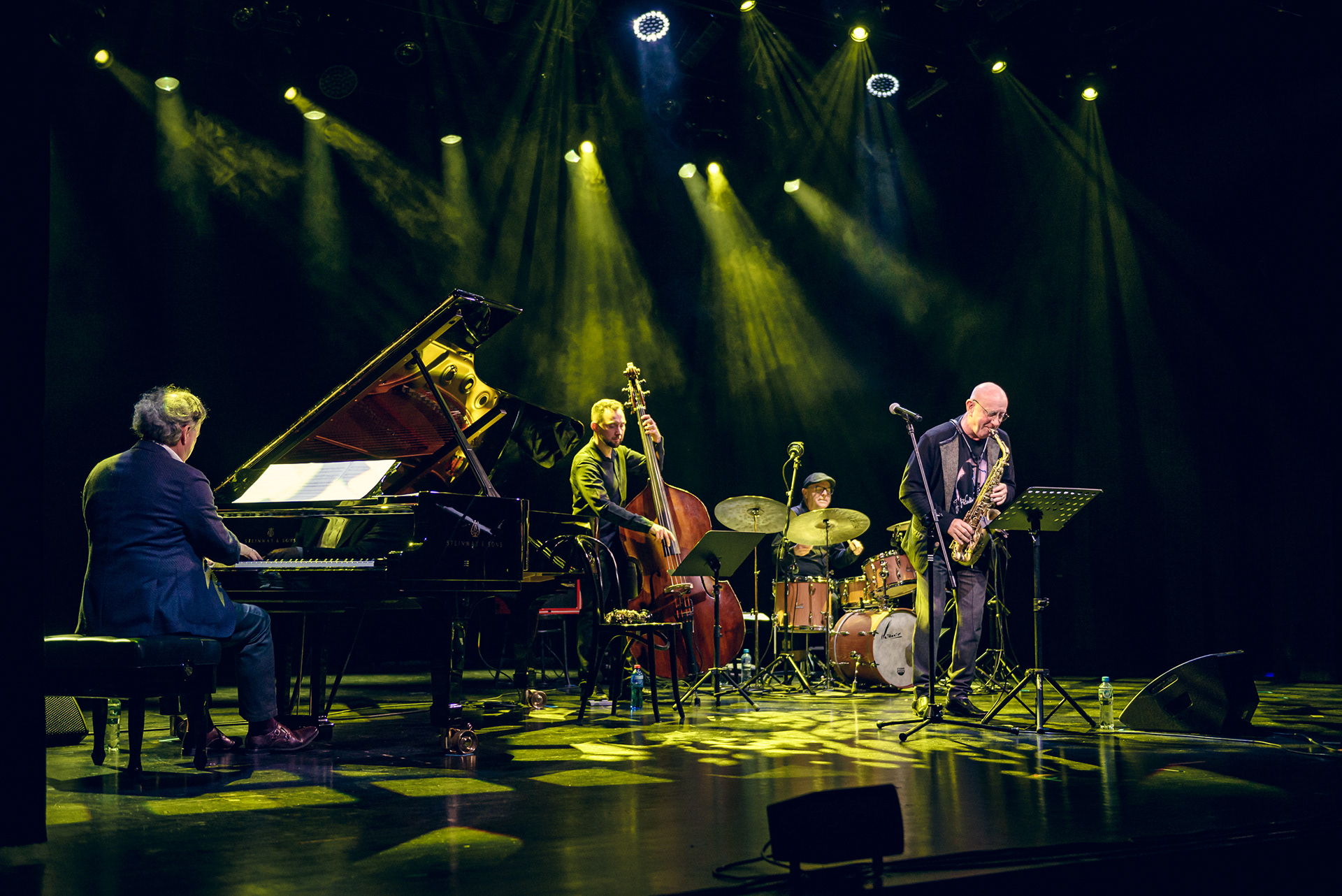
Special Quartet
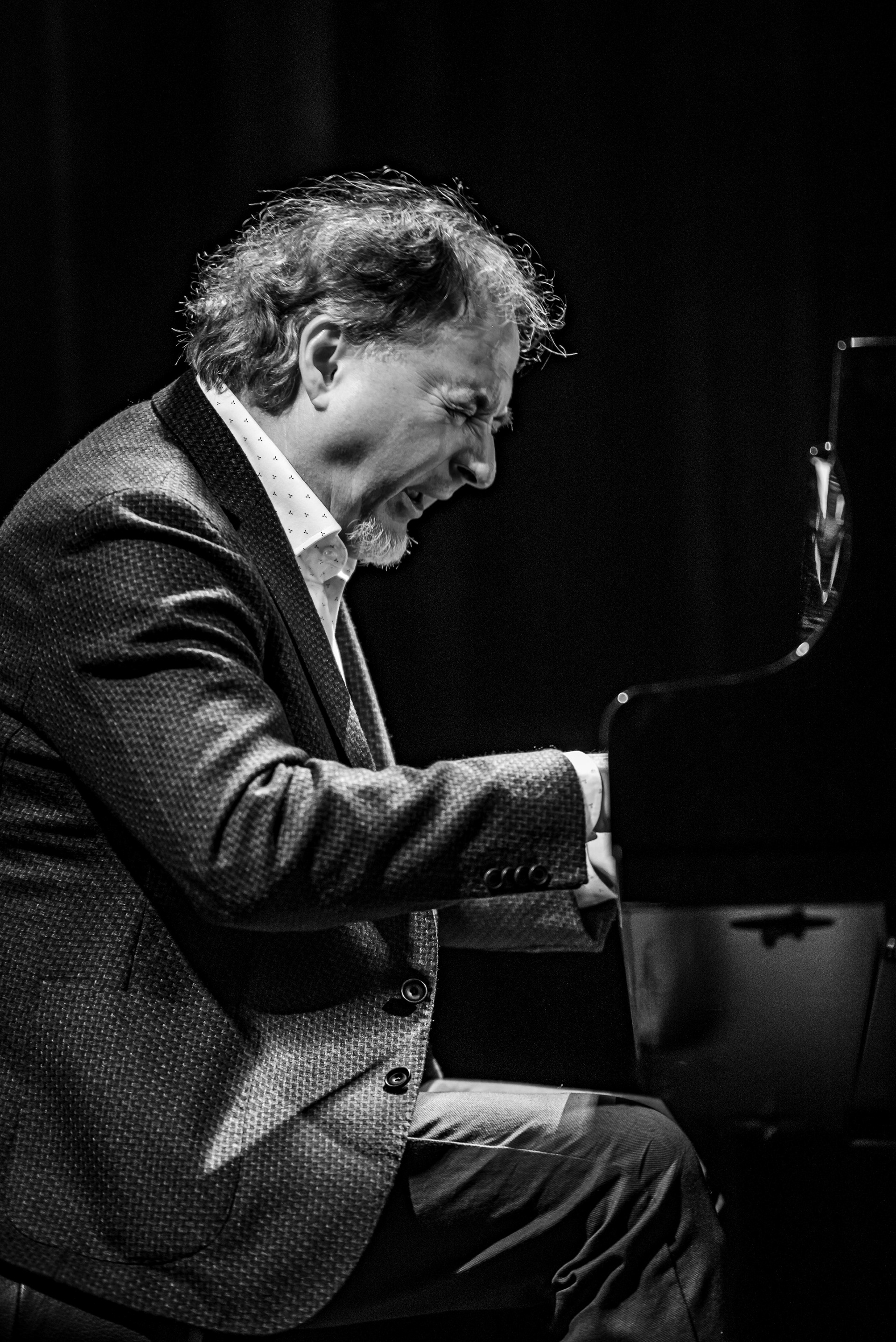
Wojciech Niedziela
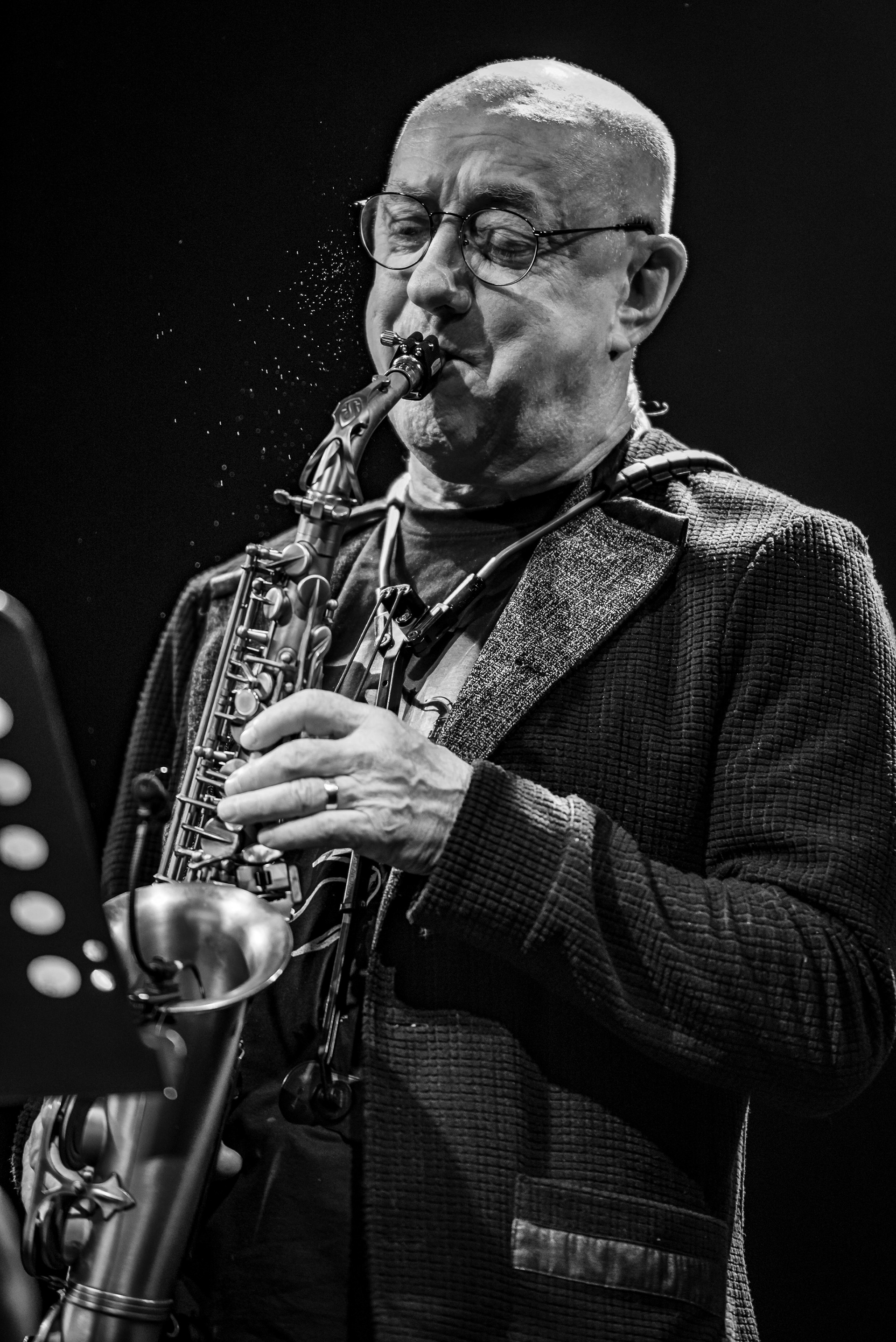
Henryk Miśkiewicz
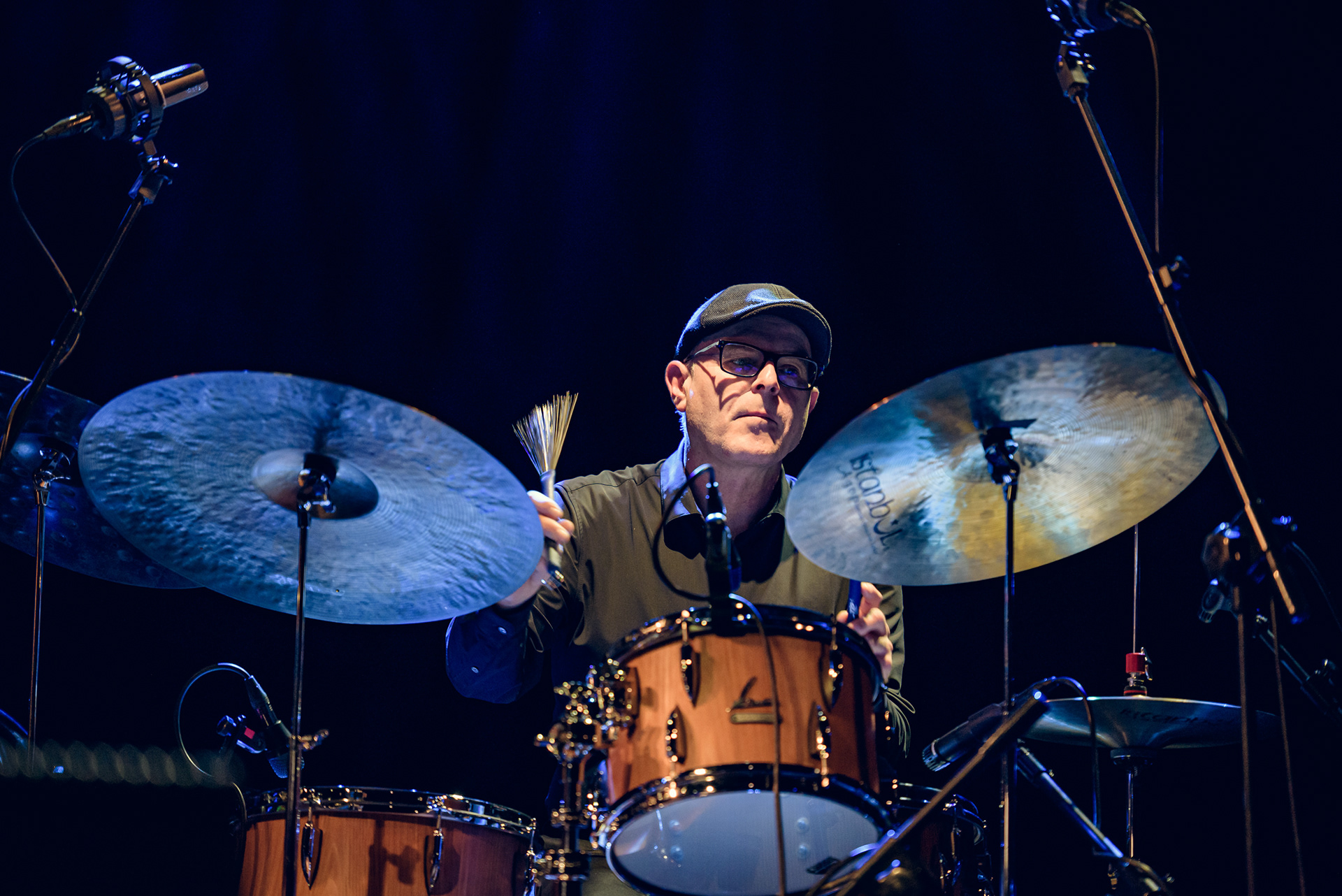
Marcin Jahr
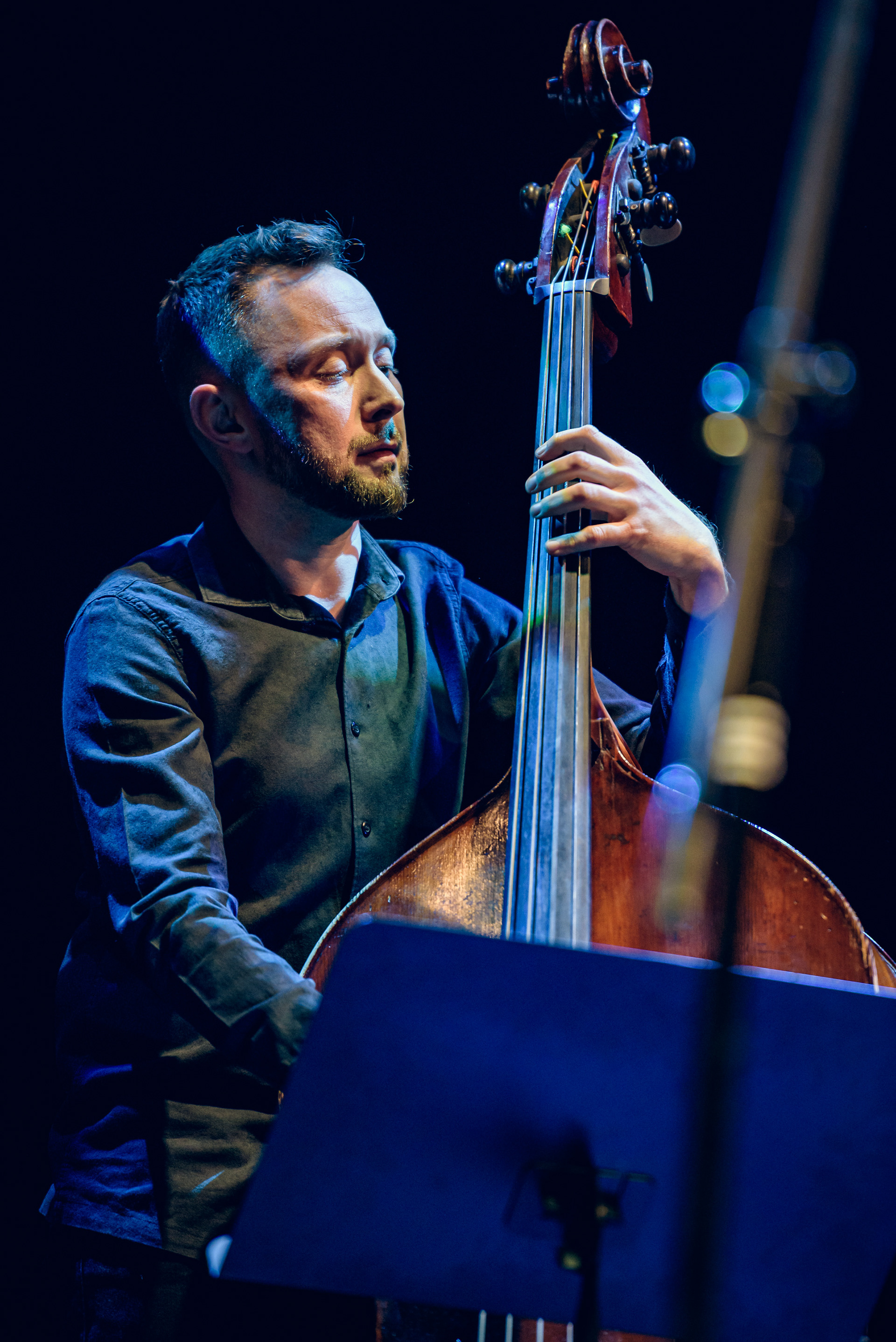
Michał Kapczuk
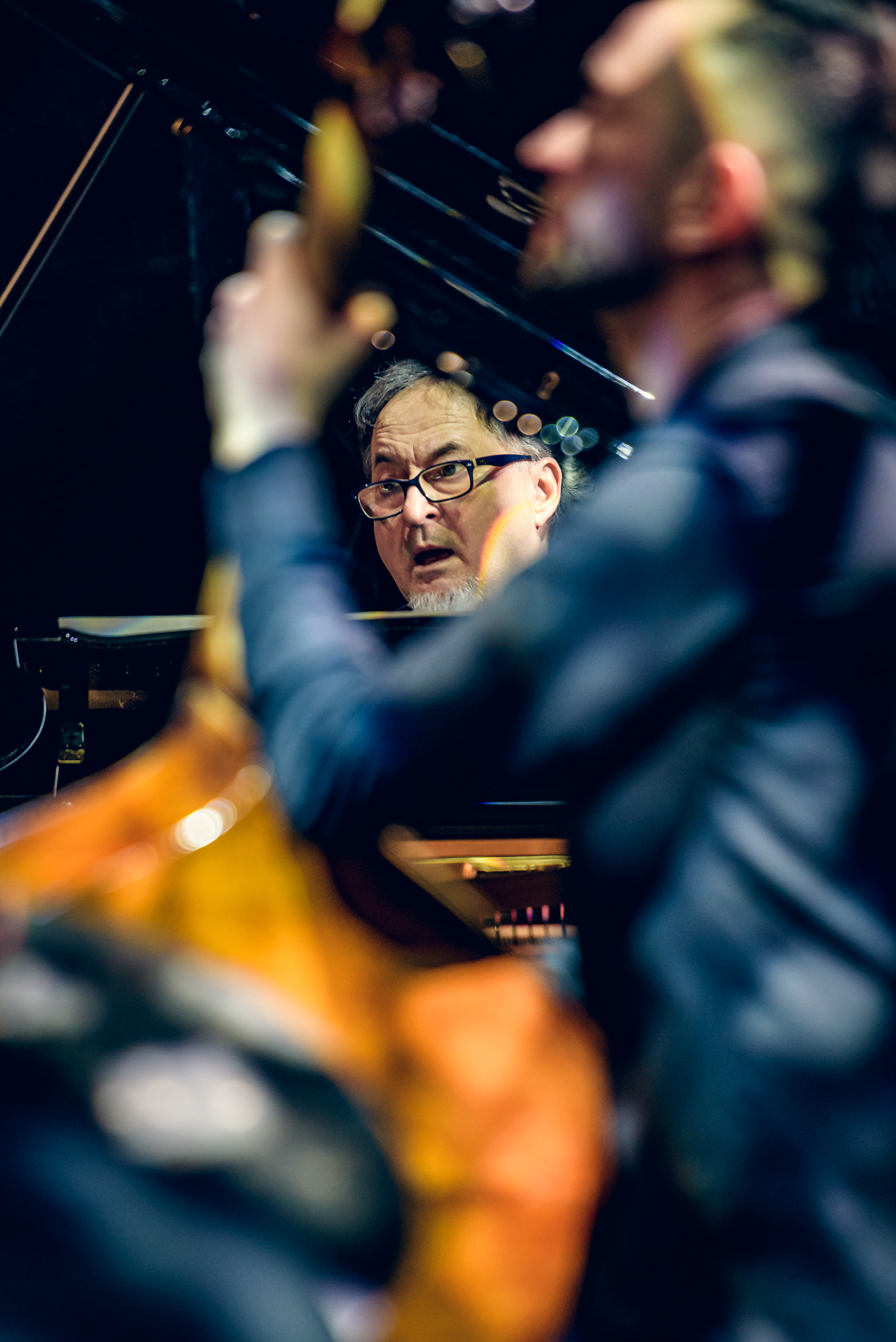
Wojciech Niedziela
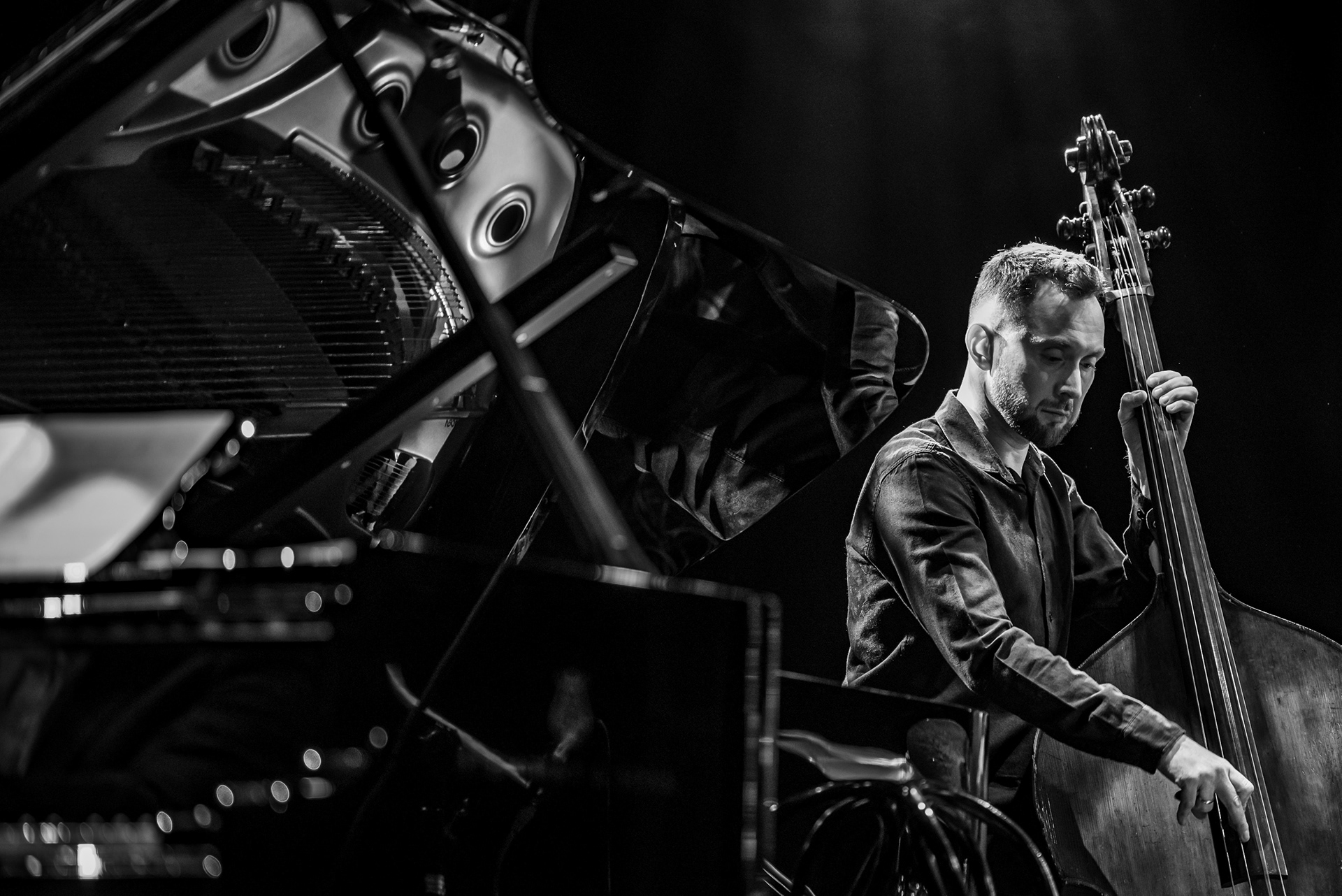
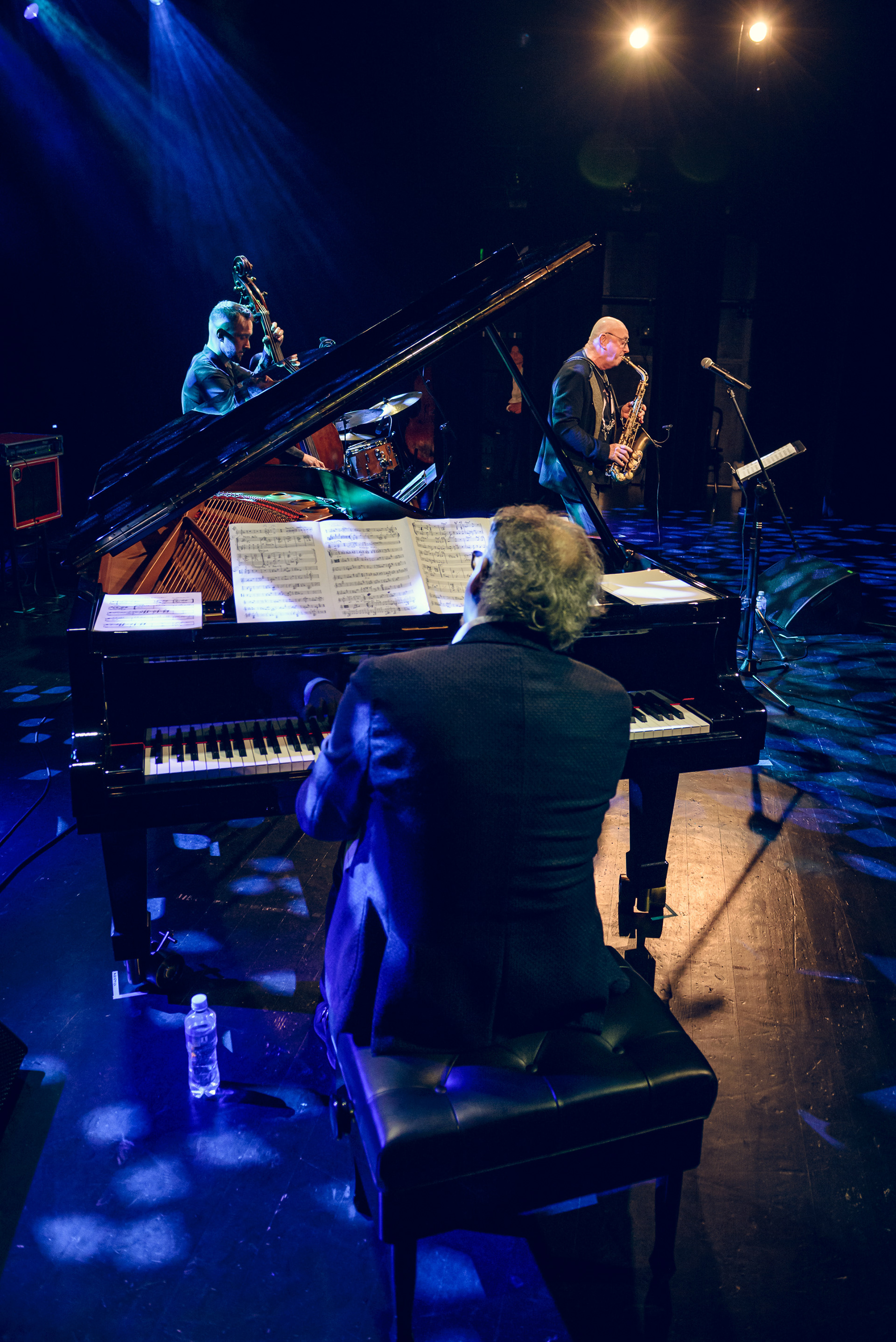
Special Quartet
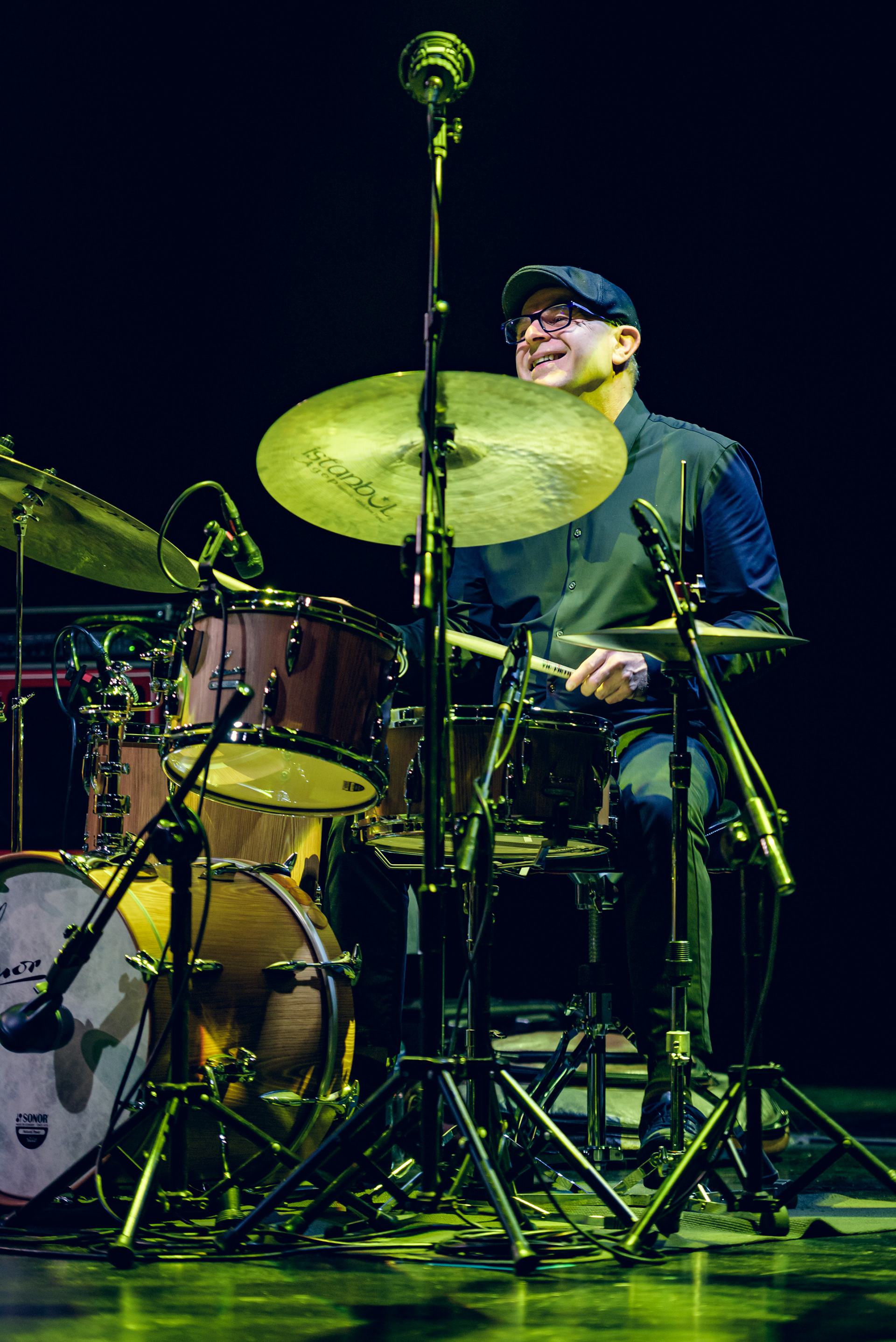
Marcin Jahr
Special Quartet: the essence of Ptaszyn's style
For the finale – Special Quartet, a project devoted entirely to Ptaszyn's work. Saxophonist Henryk Miśkiewicz, pianist Wojciech Niedziela, double bassist Michał Kapczuk and drummer Marcin Jahr created a space where the Master's spirit floated in almost every phrase.
“BBLLUUEESS” opened the concert with a distinctive, pulsating theme, led by Kapczuk and Jahr's rhythm section. “Jakie chcesz mieć dzisiaj sny?” (What Dreams Do You Want to Have Today?) rang out the lyrical side of Wróblewski's work, while “Jadą Gwiżdże” (Riding the whistles) brought a touch of lightness and humor – elements that so often appeared in Ptaszyn's compositions. The culmination of the program was a medley arranged by Miśkiewicz, or an assortment, which began with known to all from the Three Quarters of Jazz – the motif of “La Nevada” by Gil Evans, followed by Wróblewski's compositions: “Żyj kolorowo” (Live Colorfully), “Pożegnanie z Marią” (Farewell to Maria), “Kolega maj” (May's Mate) and the final “Zielono mi” (I'm Green). The themes contained in the assortment flowed seamlessly from one to the next, creating a touching musical story.
Each of the musicians had the opportunity to work closely with Ptaszyn over the years. Michał Kapczuk for almost a decade, Marcin Jahr for thirty years, Wojciech Niedziela for more than four decades, and Henryk Miśkiewicz for more than fifty years – as he has become known as one of Ptaszyn's closest musical companions. The Special Quartet's performance was more than a concert tribute – It sounded like a natural continuation of Ptaszyn's idiom, proving that his music still pulses, lives on and will inspires generations to come.
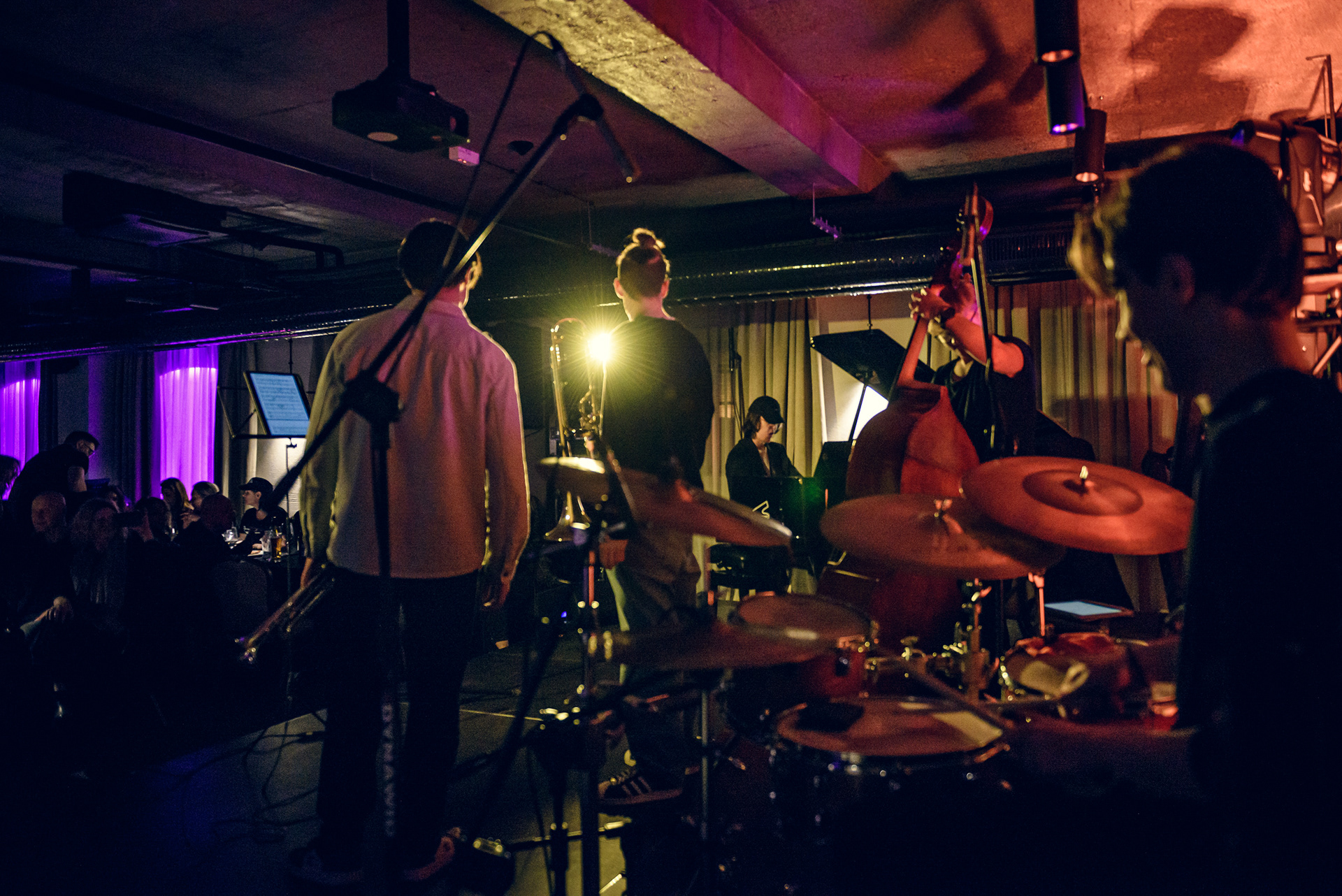
REBIRTH
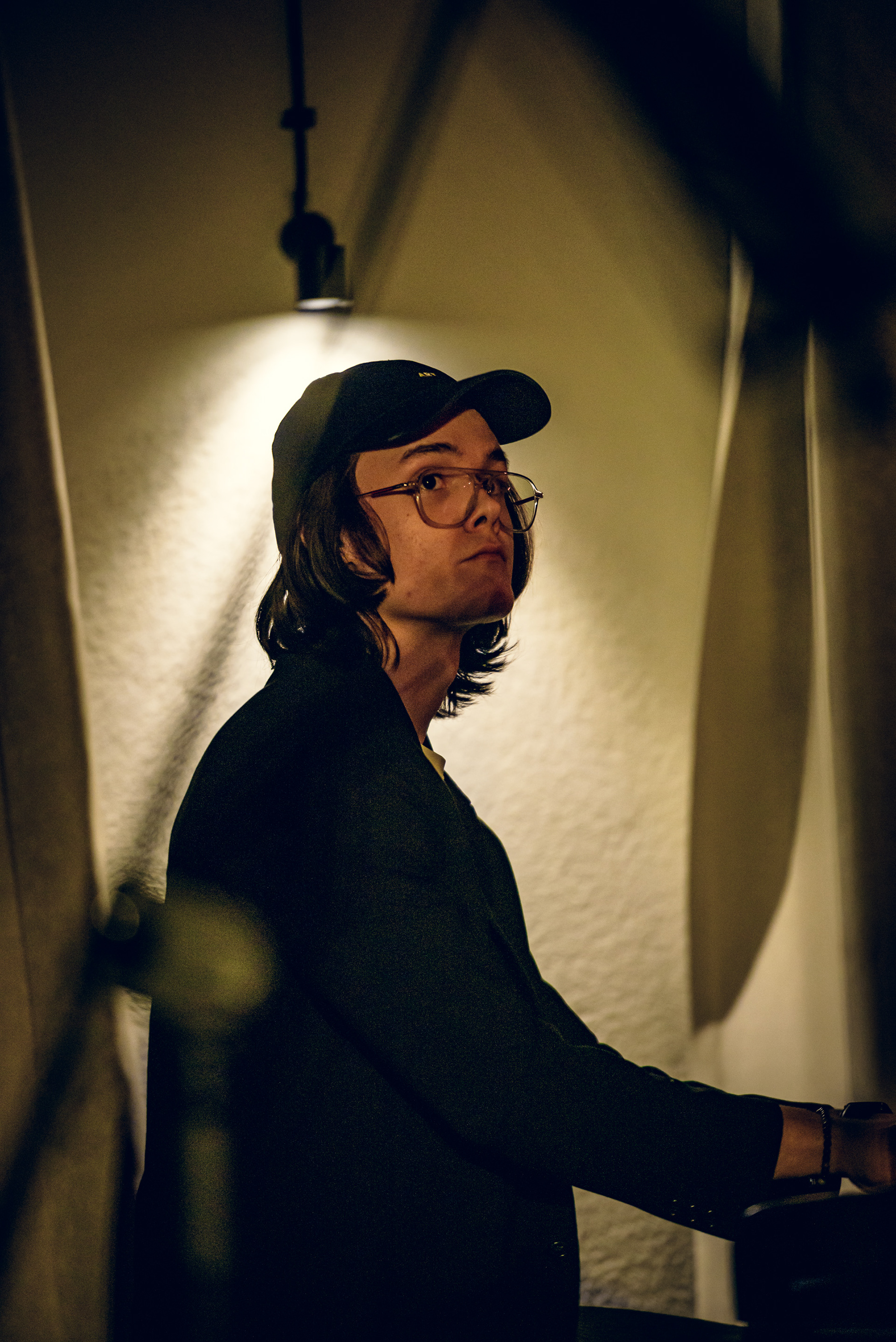
Leon Jakubek
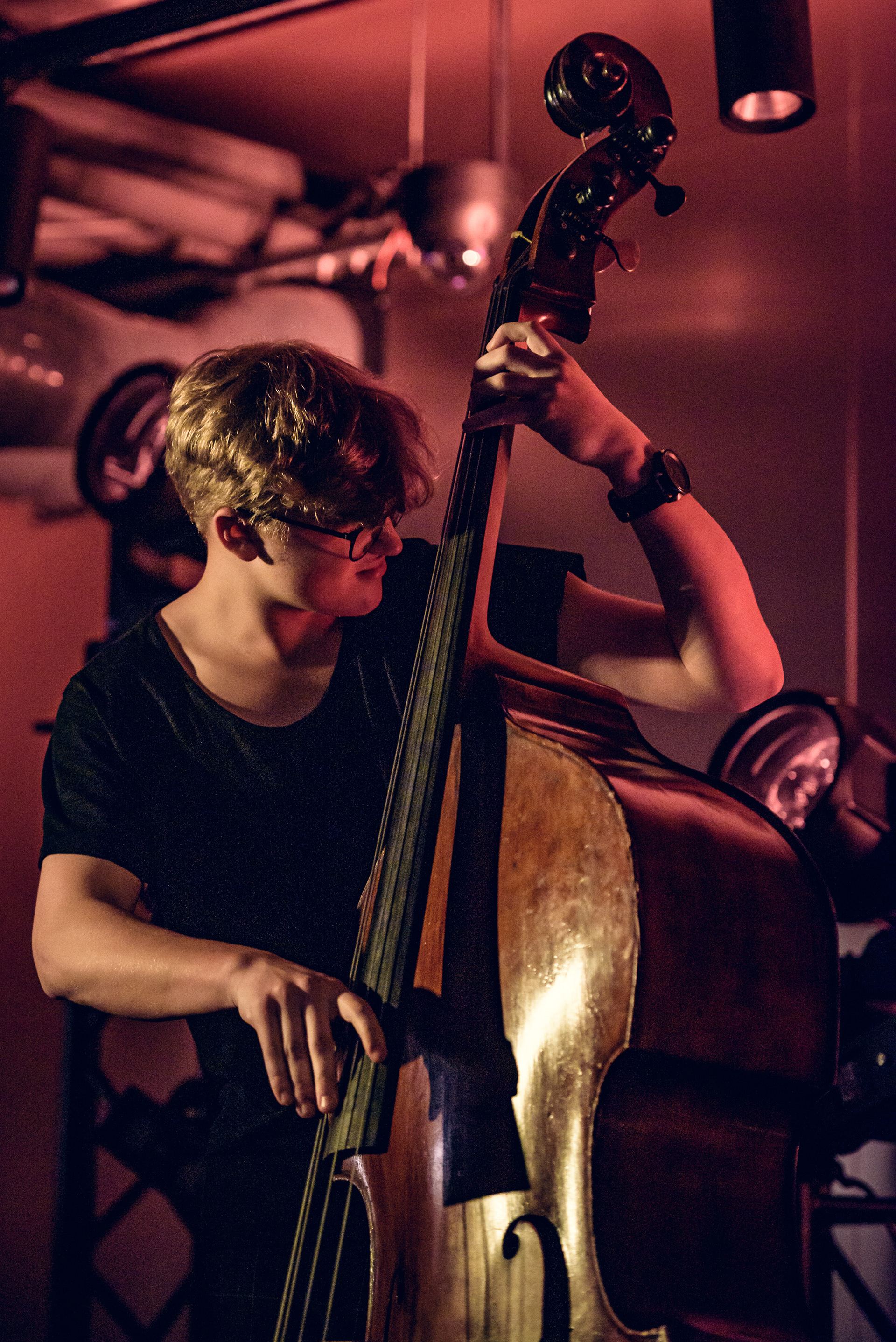
Piotr Golec
Jam session at the Night Festival Club
After the official concert portion, the festival moved to the Night Festival Club at Calisia One, a hotel complex addition and conversion of the former piano factory. The jazz night resounded with improvisations that included musicians associated with the local scene. Shortly after REBIRTH's performance, the club stage was taken over by young instrumentalists, who, with verve and a fresh approach to jazz, led jam sessions into the late hours of the night – performances lasted until 3 (a.m.) in the morning, confirming that the spirit of Ptaszyn continues to inspire the next generation.
The first edition of the Kalisz Ptaszyn Fest showed that Jan Ptaszyn Wroblewski's work has not only made a lasting mark in the history of Polish jazz, but also continues to inspire. Young musicians gave his compositions a new dimension, and experienced jazzmen have reaffirmed to everyone that Ptaszyn will forever remain the pulsating heart of Polish jazz.
Kalisz – Ptaszyn's city – has gained a new festival. And all indications are that this is only the beginning of this extraordinary musical era.
Kalisz Ptaszyn Fest - 29.03.2025 - Kalisz